tested in distillation trials
Biodiversity Monitoring and Wildlife Coexistence, Forest-Compatible Livelihoods and Community Enterprise
Community Livelihoods for Forest and River Conservation in Lubuk Bigau
A livelihood and river-conservation initiative that tested local essential-oil materials, strengthened community enterprise skills and linked fish restocking with customary river stewardship in Lubuk Bigau.
Project overview
Project Overview
From 2022 to 2023, Hutanriau worked with communities in Lubuk Bigau to connect forest-compatible livelihoods with river conservation. The initiative tested local plant materials for essential-oil production, supported practical enterprise learning and strengthened the community's River Festival and lubuk larangan tradition.
Project snapshot
At a glance
produced essential oils under trial conditions
completed with LUSH-supported equipment
released at four river locations during the River Festival
Why this work mattered
Project Context
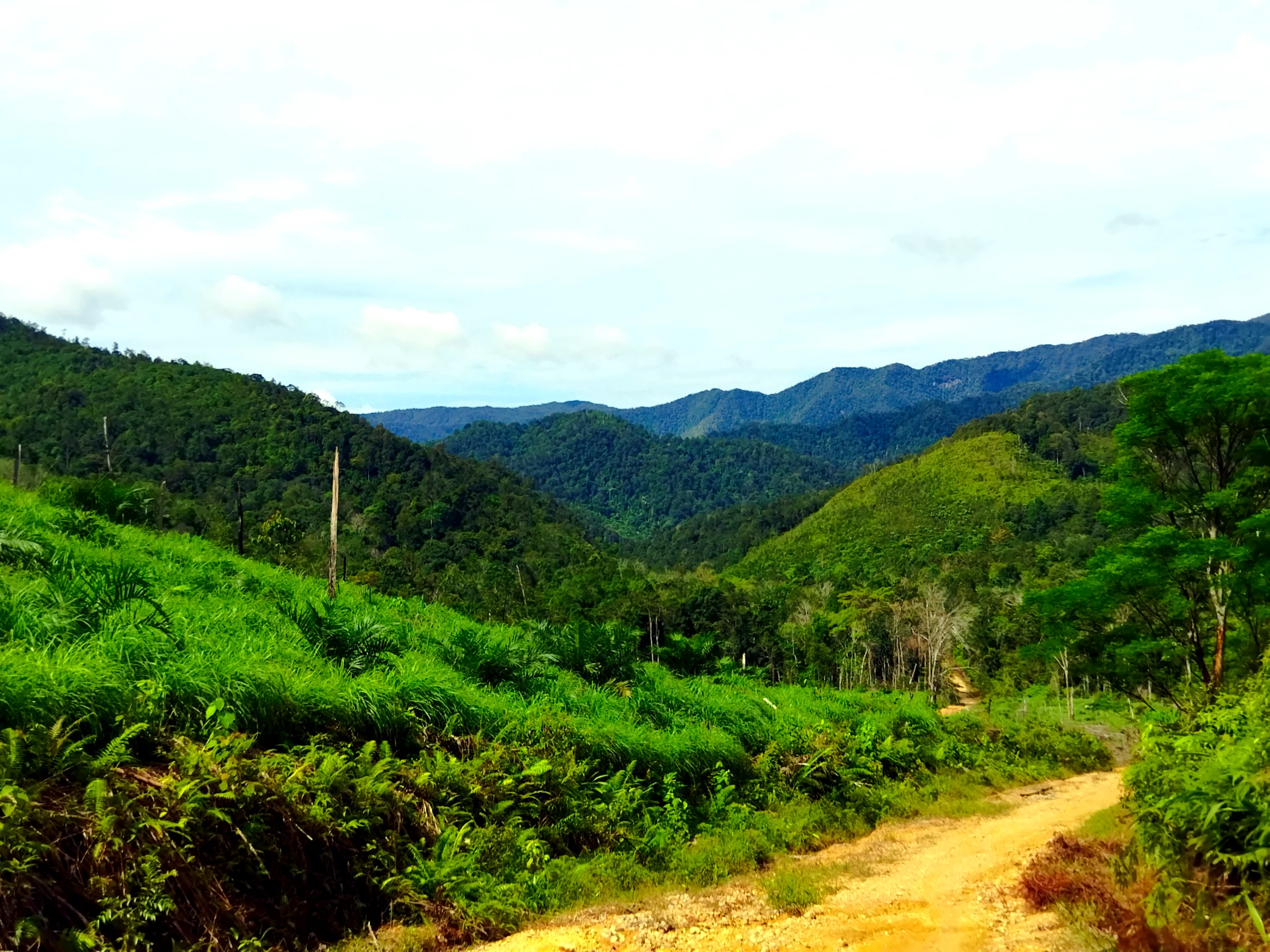
Lubuk Bigau is a remote village in Kampar Kiri Hulu, close to the Bukit Rimbang Baling Wildlife Reserve. The final report describes limited road access and constraints in local education and health services. The surrounding forest and river systems are closely connected to daily life and local knowledge.
The project brought livelihood development and river activities into one programme. It combined participatory research on potential essential-oil plants with practical support for distillation, product development and smallholder organisation. Its river work centred on lubuk larangan, a local practice through which the Lubuk Bigau community conserves the village’s river and fish resources.
What we set out to do
Objectives
- Identify and test locally found plant materials as potential sources of essential oils.
- Improve essential-oil distillation practice and explore derivative products based on citronella.
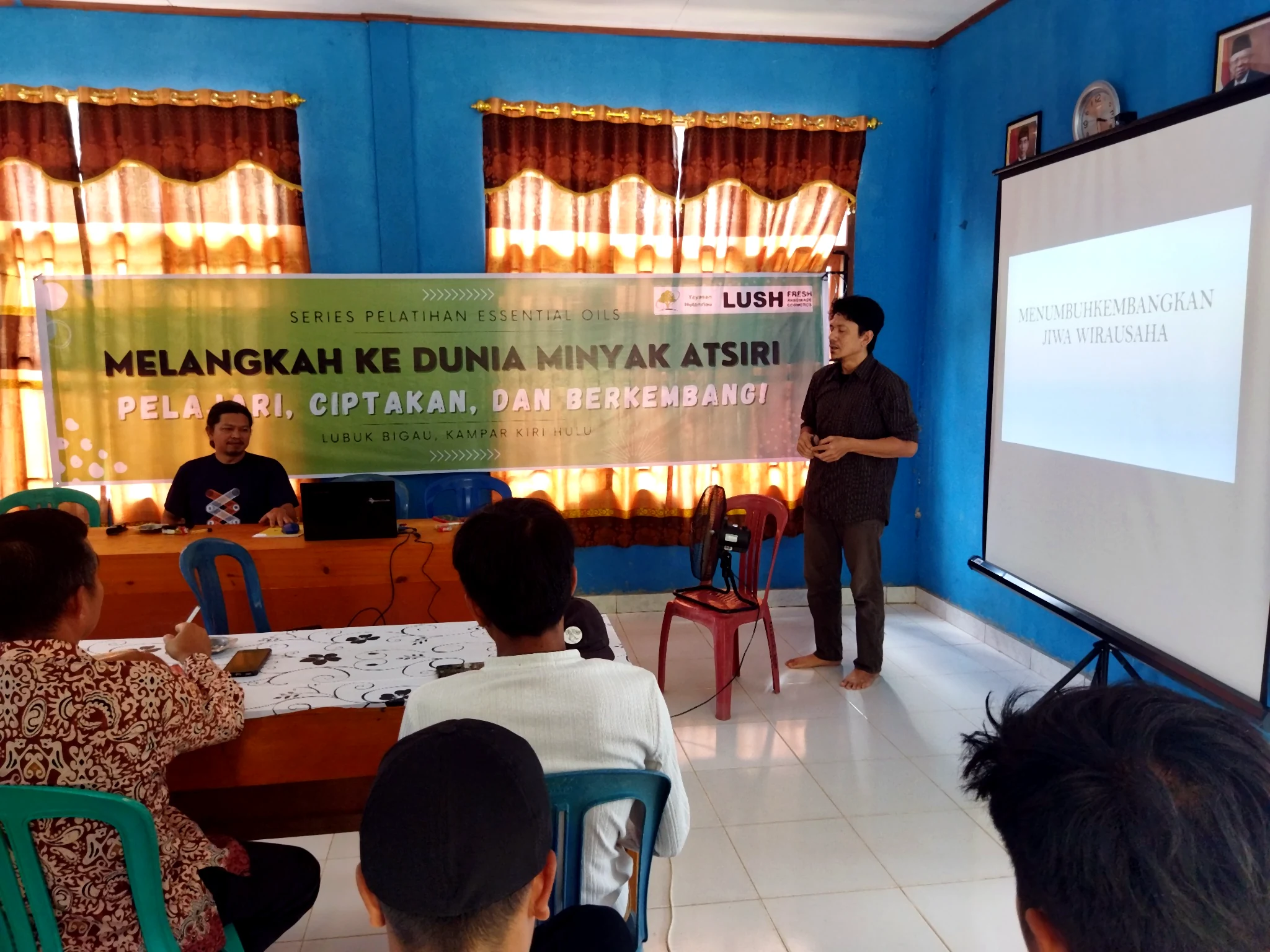
- Support community organisation, business planning and peer learning around smallholder enterprise.
- Encourage river conservation and renew community attention to lubuk larangan traditions.
Delivery
What Hutanriau Did
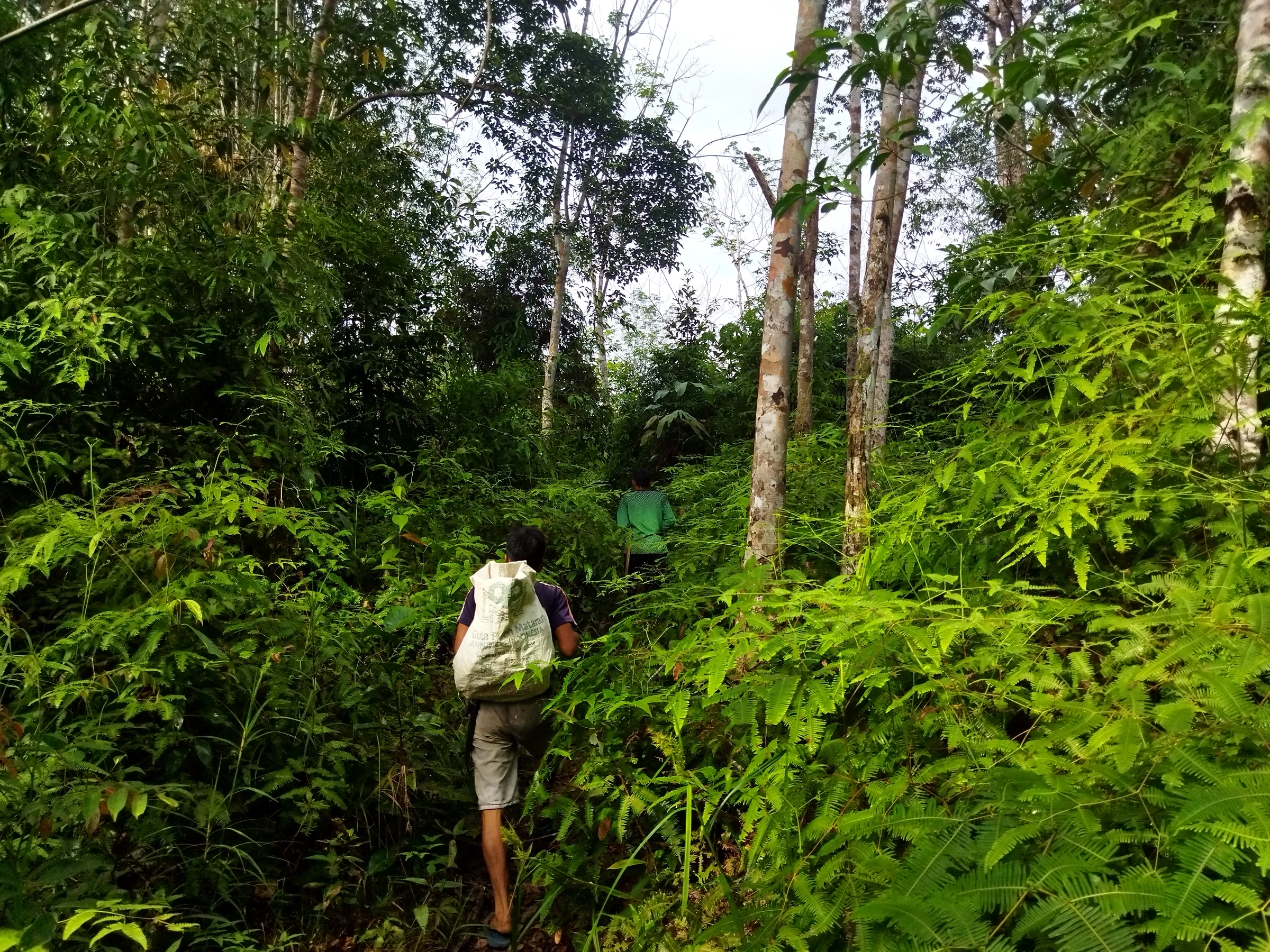
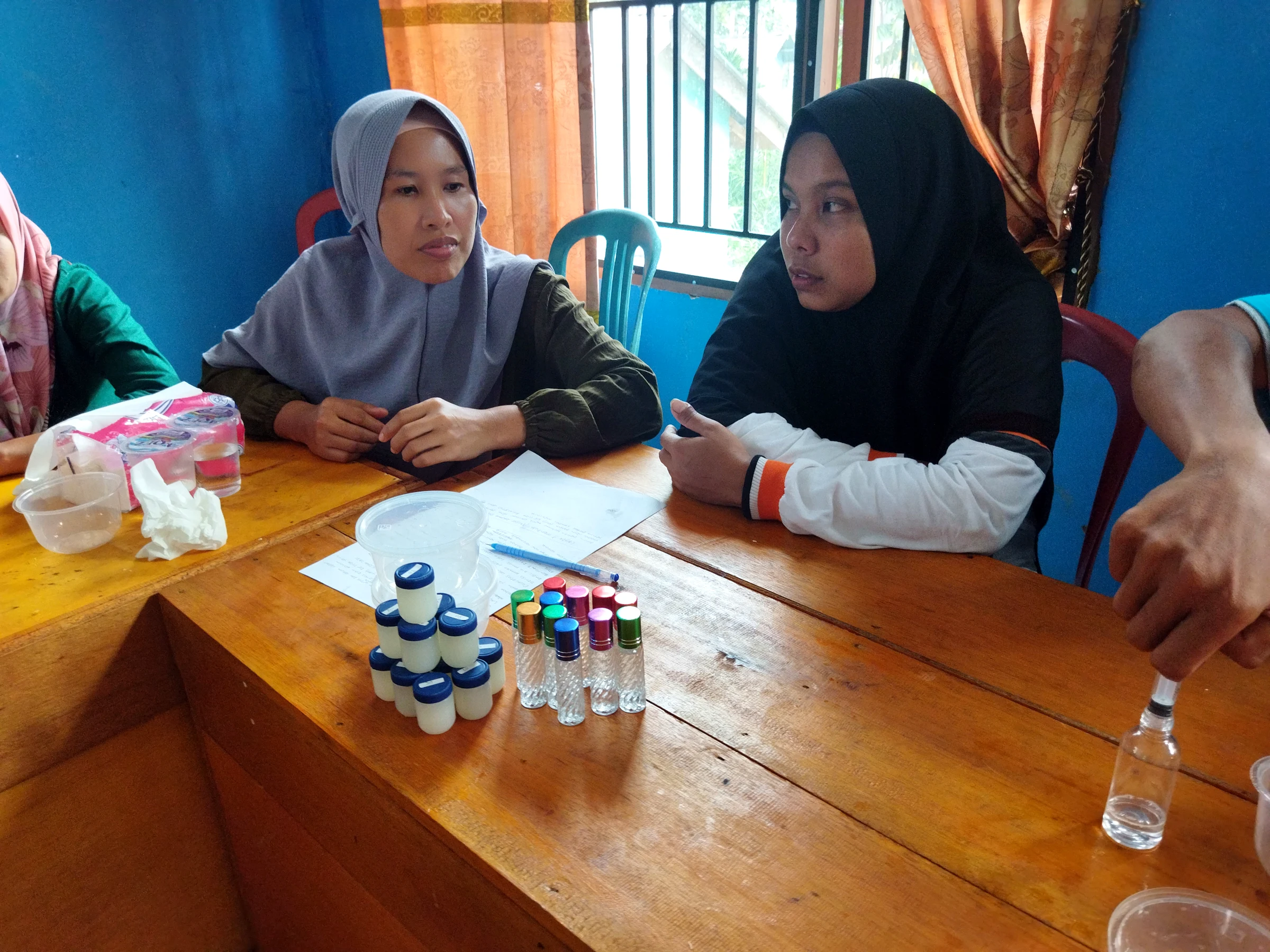
- Held a discussion and participatory forest search to identify potential essential-oil plant materials.
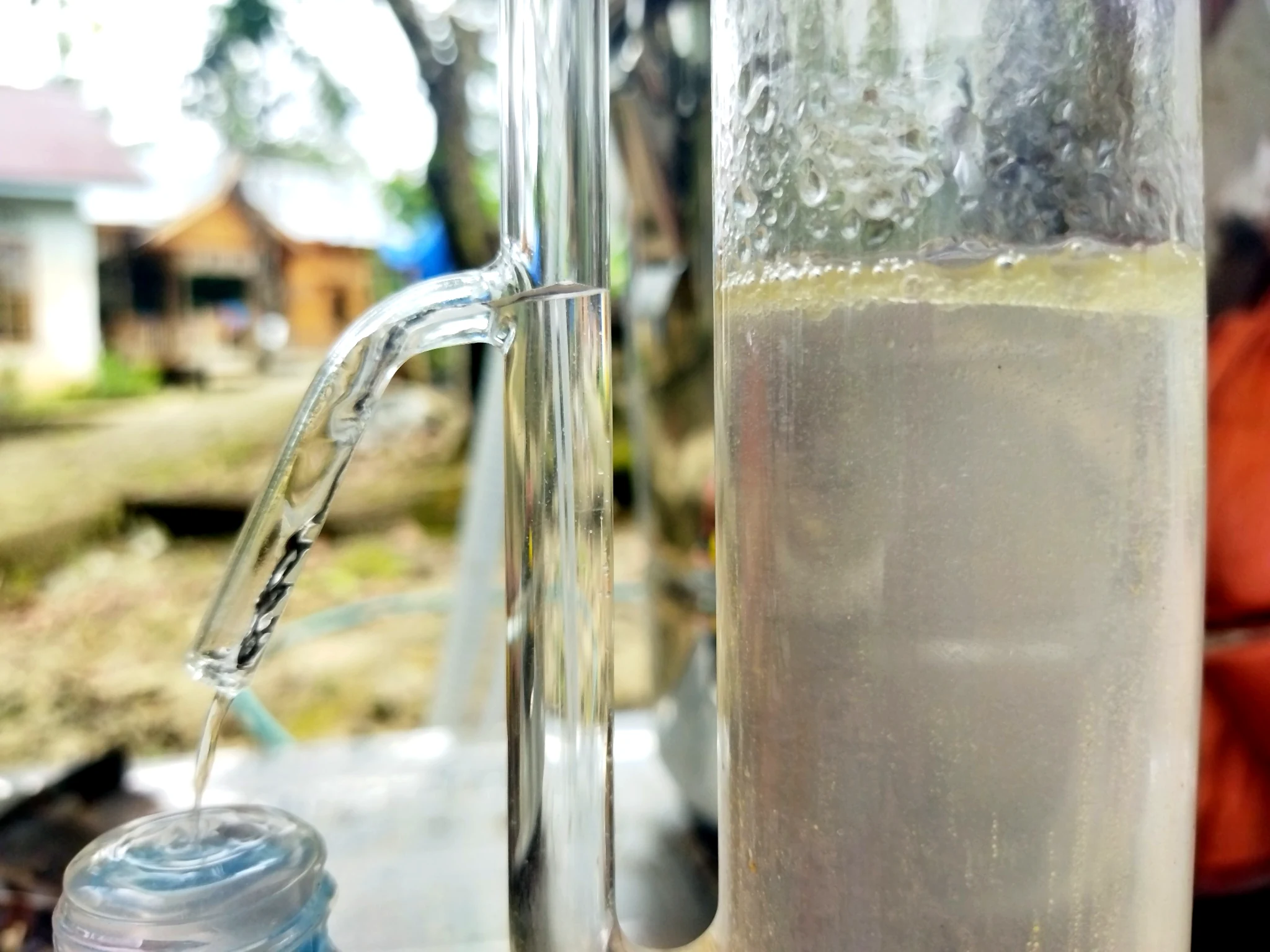
- Tested 15 plant materials through distillation.
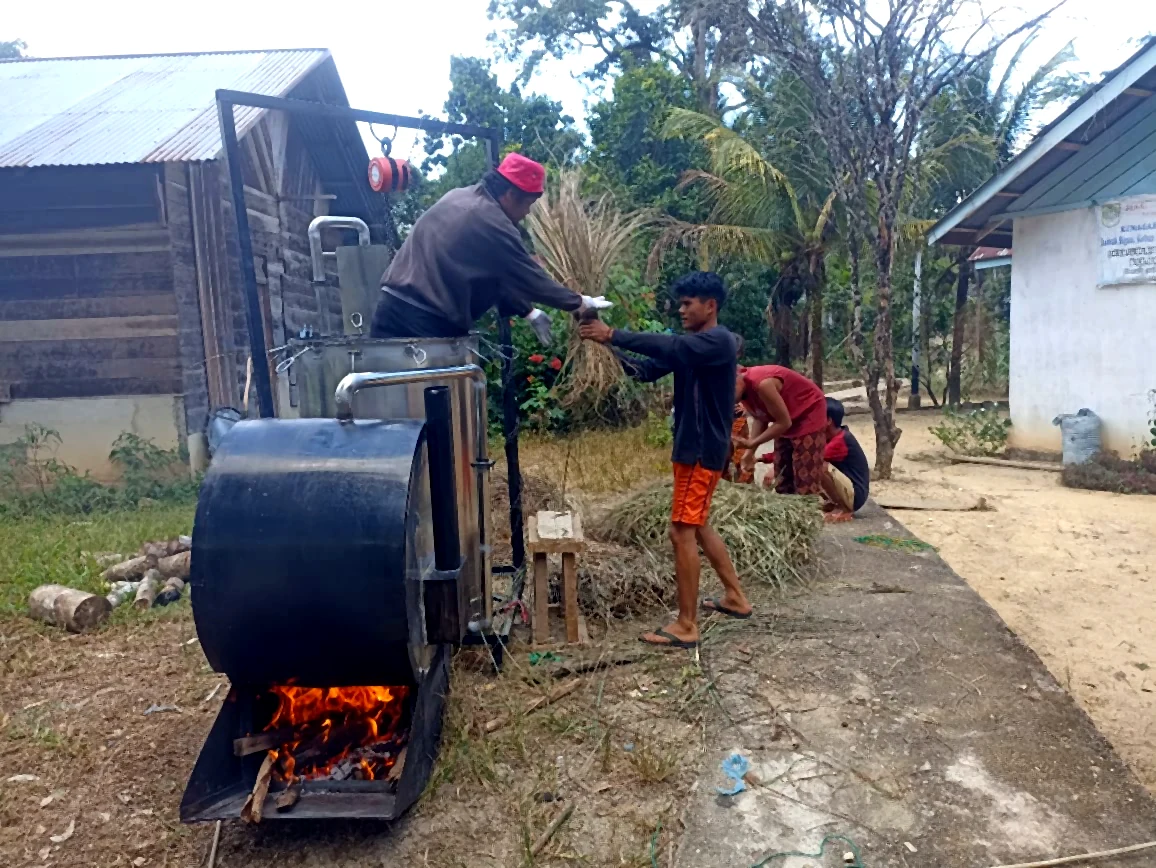
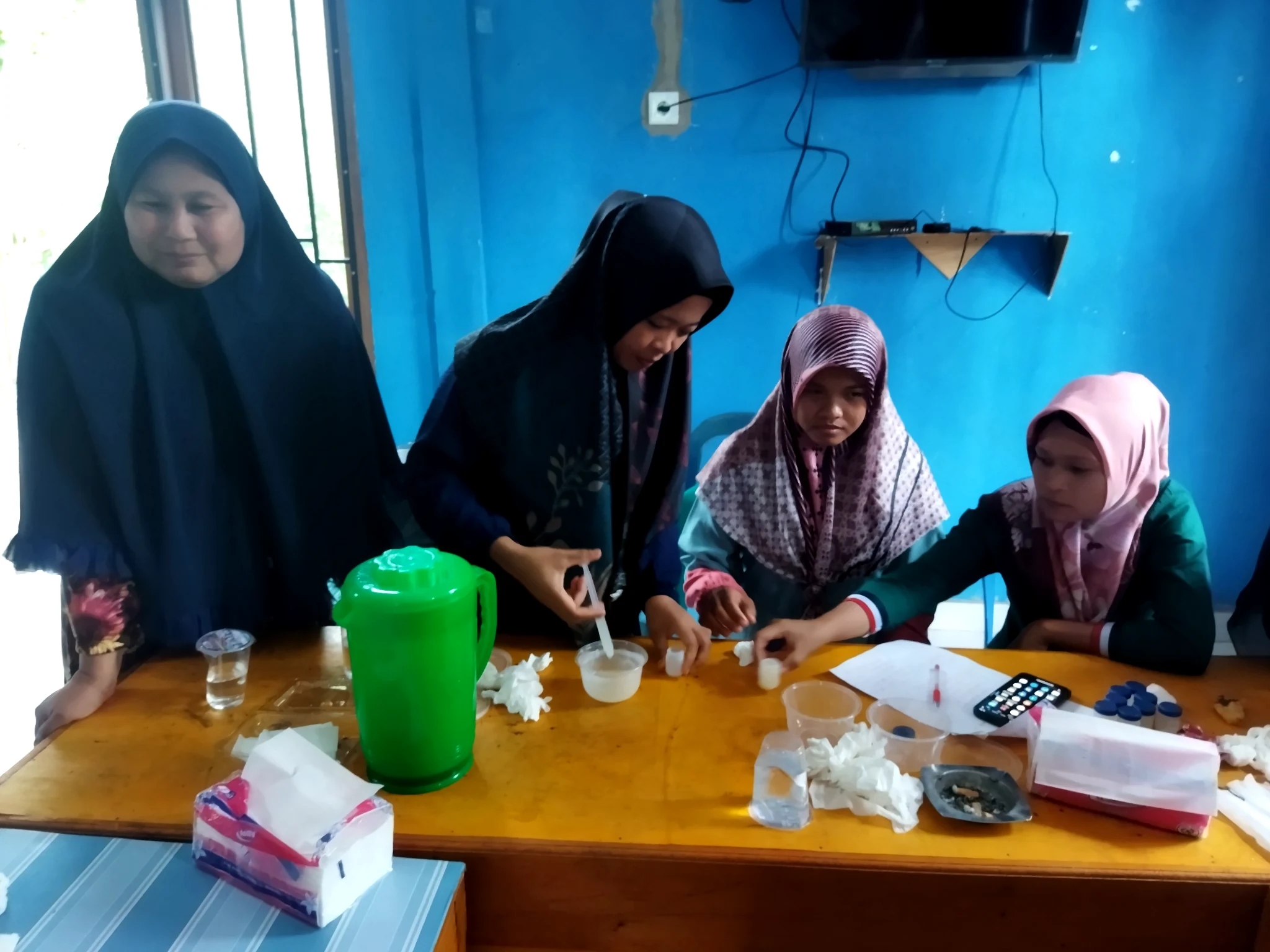
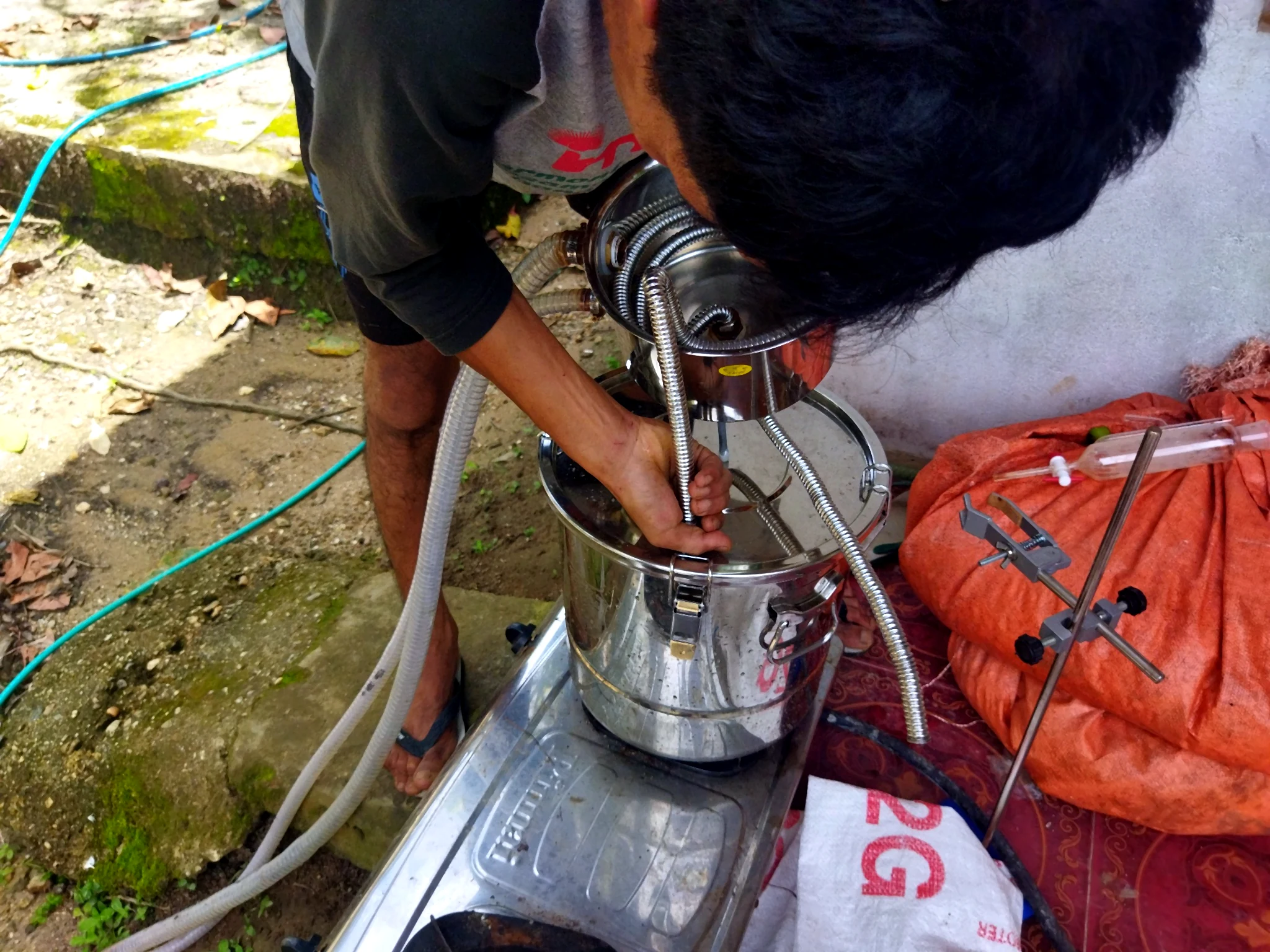
- Conducted three distillation trials using equipment supported by LUSH and compared the process with traditional equipment.
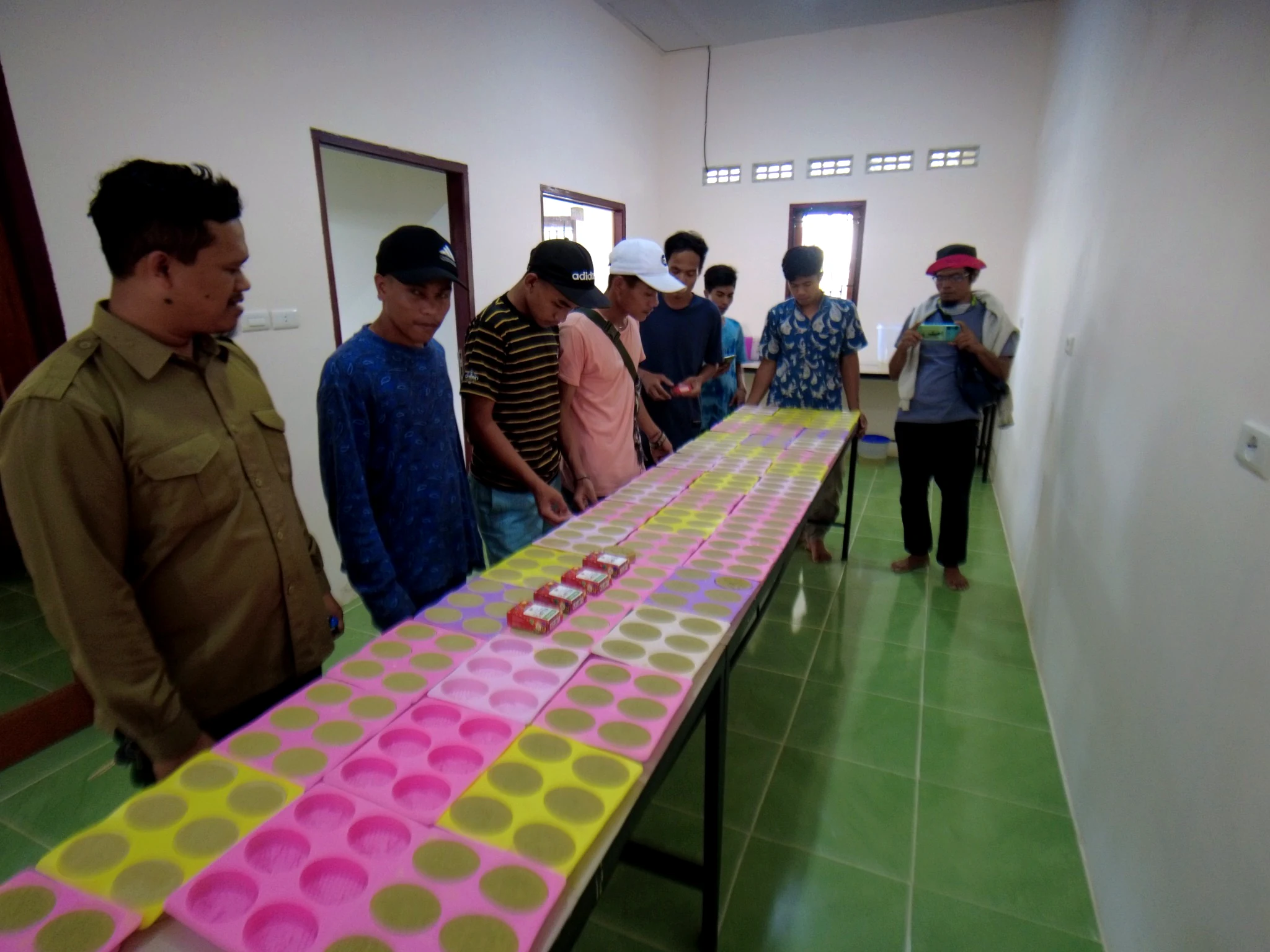
- Delivered two practical training sessions on citronella derivative products.
- Delivered one organisational management session and one business-plan drafting session.
- Organised a learning visit to a soap-processing business.
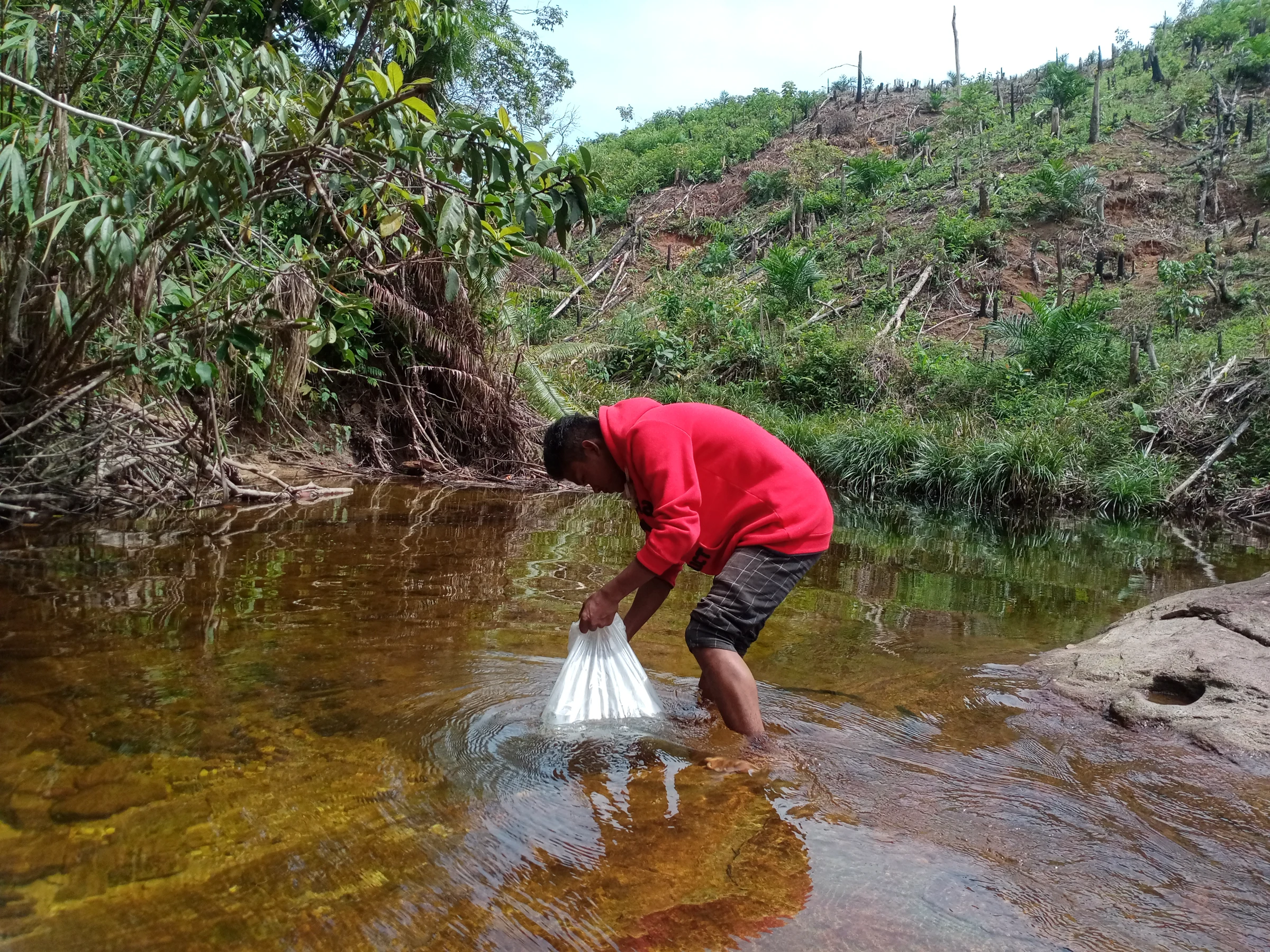
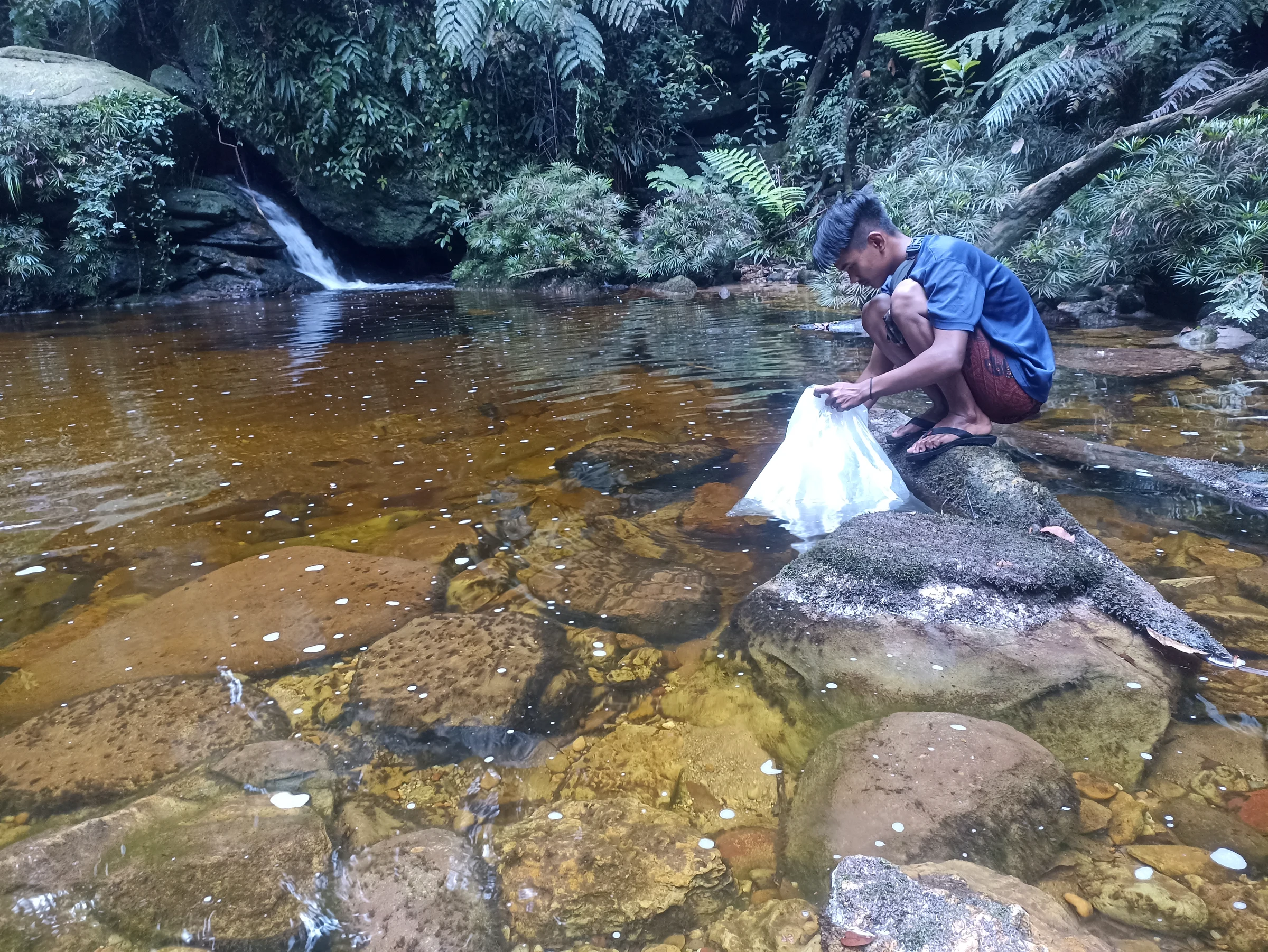
- Released 12,000 juvenile fish, locally known as baung and garing or semah, at four river locations during the River Festival as a restocking activity for local lubuk larangan waters.
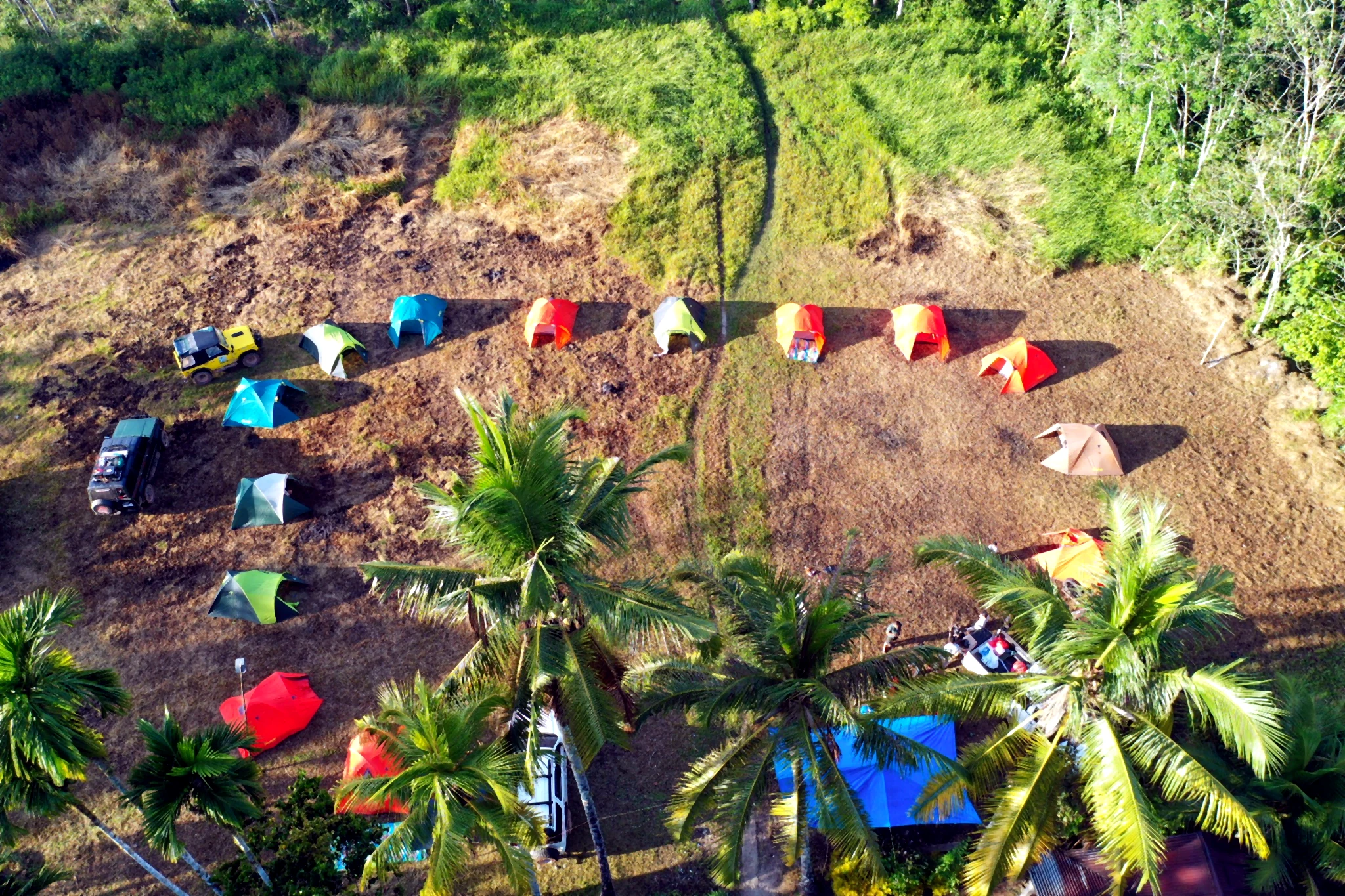
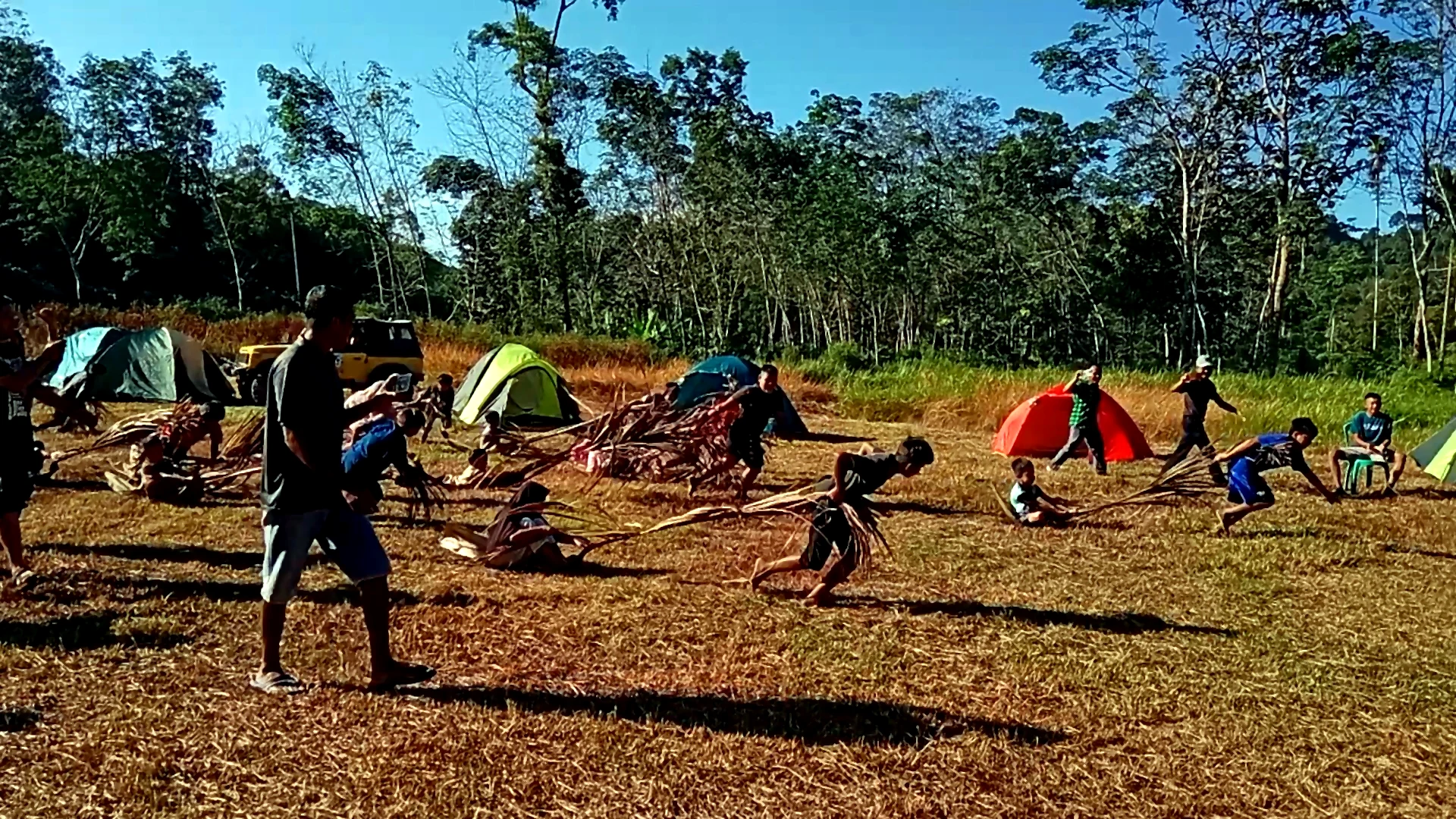
- Held a River Festival with camping and children’s competitions in eight traditional games that were becoming less familiar in the village.
What changed and what we learned
Results and Learning
Testing identified 12 of 15 local plant materials that produced essential oils under trial conditions. Three comparison runs also recorded clearer oil and fuel use up to 10 per cent lower than with the traditional equipment, providing a practical basis for further product testing and skills development.
The River Festival connected fish restocking with the community’s lubuk larangan practice and renewed attention to traditional games. The release of 12,000 juvenile fish was a completed conservation activity; the project did not monitor subsequent fish population change.
Project album
Field Documentation
Selected photographs documenting project activities, field implementation, and community participation.
Work with us
Planning locally grounded environmental work in Riau?
Hutanriau collaborates with communities, donors, government agencies, research institutions, civil society organisations, and responsible private-sector partners.