self-managed community rehabilitation groups accompanied
Ecosystem Restoration and Climate Adaptation
Supporting Community-Based Forest and Land Rehabilitation in KPH Singingi
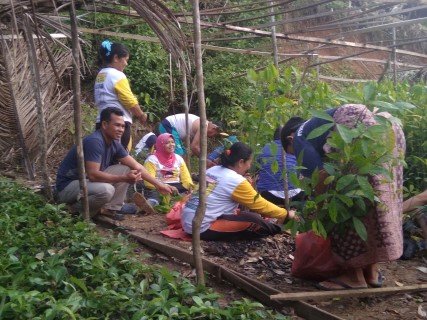
Hutanriau accompanied 29 community groups across 11 villages through planting and maintenance phases within an 8,750 ha rehabilitation programme in KPH Singingi.
Project overview
Project Overview
Hutanriau accompanied 29 self-managed community groups across 11 villages and four subdistricts through the 2019 planting phase and subsequent maintenance phases in 2020 and 2021.
The wider rehabilitation programme covered 8,750 ha within UPT KPH Singingi. Hutanriau's role focused on community accompaniment, coordination, administration, technical support and reporting, rather than direct restoration of the entire area.
Project snapshot
At a glance
included in Hutanriau's accompaniment
covered across the programme area
2019 programme coverage within UPT KPH Singingi
Why this work mattered
Project Context
Forest and land rehabilitation in KPH Singingi was implemented through self-managed community groups across multiple villages and subdistricts. This delivery model required communities to manage local implementation while meeting administrative, technical, coordination, and reporting requirements. From 2019 to 2021, Hutanriau accompanied 29 groups across 11 villages and four subdistricts in Kuantan Singingi.
What we set out to do
Objectives
• Strengthen the institutional and administrative capacity of self-managed community rehabilitation groups.
• Support community groups to organise implementation, documentation, and reporting.
• Provide technical assistance, coordination, and mediation during programme delivery.
• Strengthen collaboration between community groups, villages, and KPH Singingi.
Delivery
What Hutanriau Did
• Accompanied 29 self-managed community forest and land rehabilitation groups.
• Supported group administration, planning, implementation records, and reporting.
• Provided technical guidance and field coordination.
• Facilitated communication and mediation between community groups and relevant institutions.
• Documented programme progress across 11 villages and four subdistricts.
What changed and what we learned
Results and Learning
Community-based delivery required more than planting inputs. Hutanriau’s accompaniment helped 29 groups organise field work, administration, coordination and reporting across a large and dispersed programme area.
The 2020 and 2021 maintenance phases showed the importance of continued technical support after establishment. The records describe programme delivery and coverage; they do not provide a portfolio-level measure of long-term seedling survival or ecological change across the full 8,750 ha.
Project album
Field Documentation
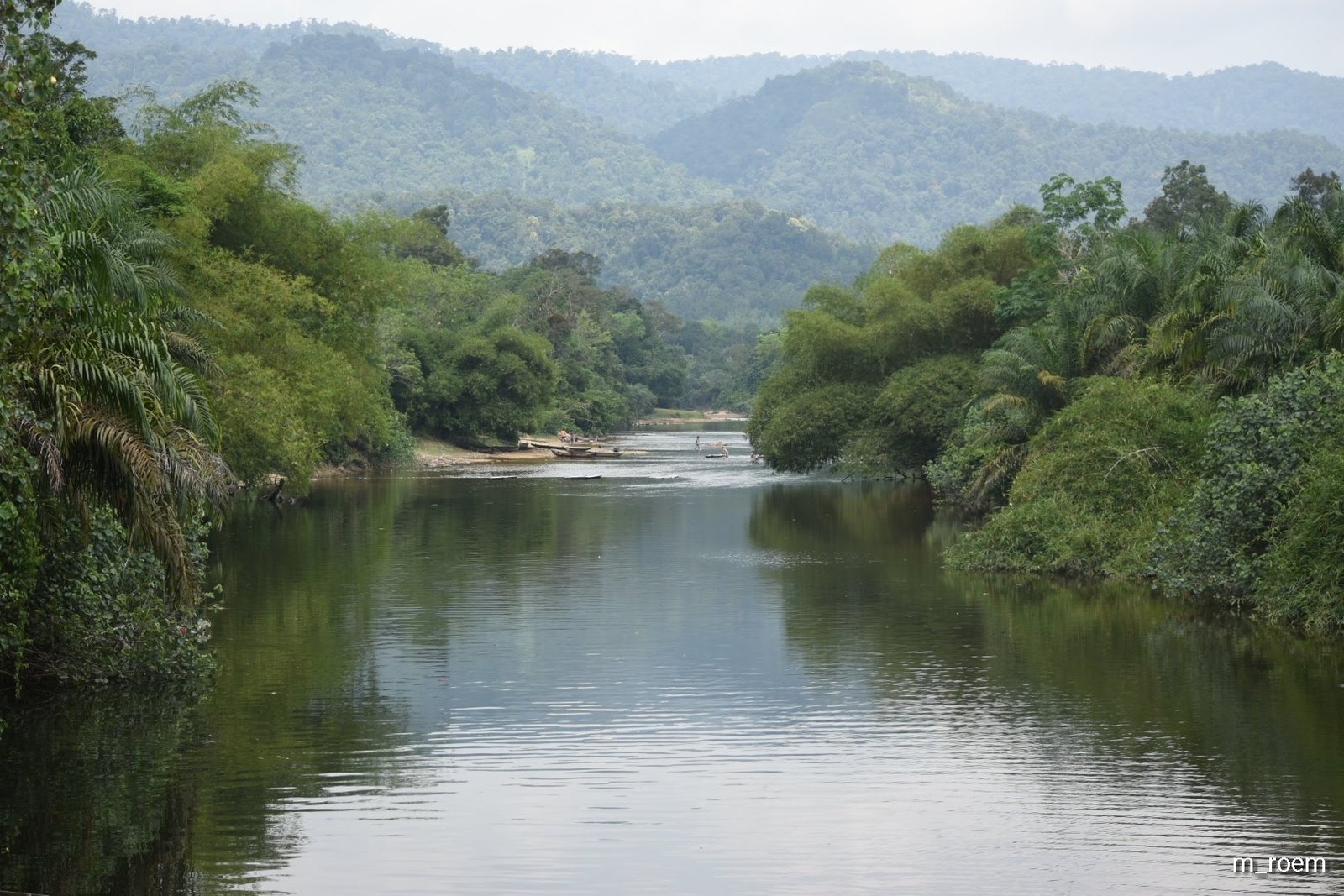
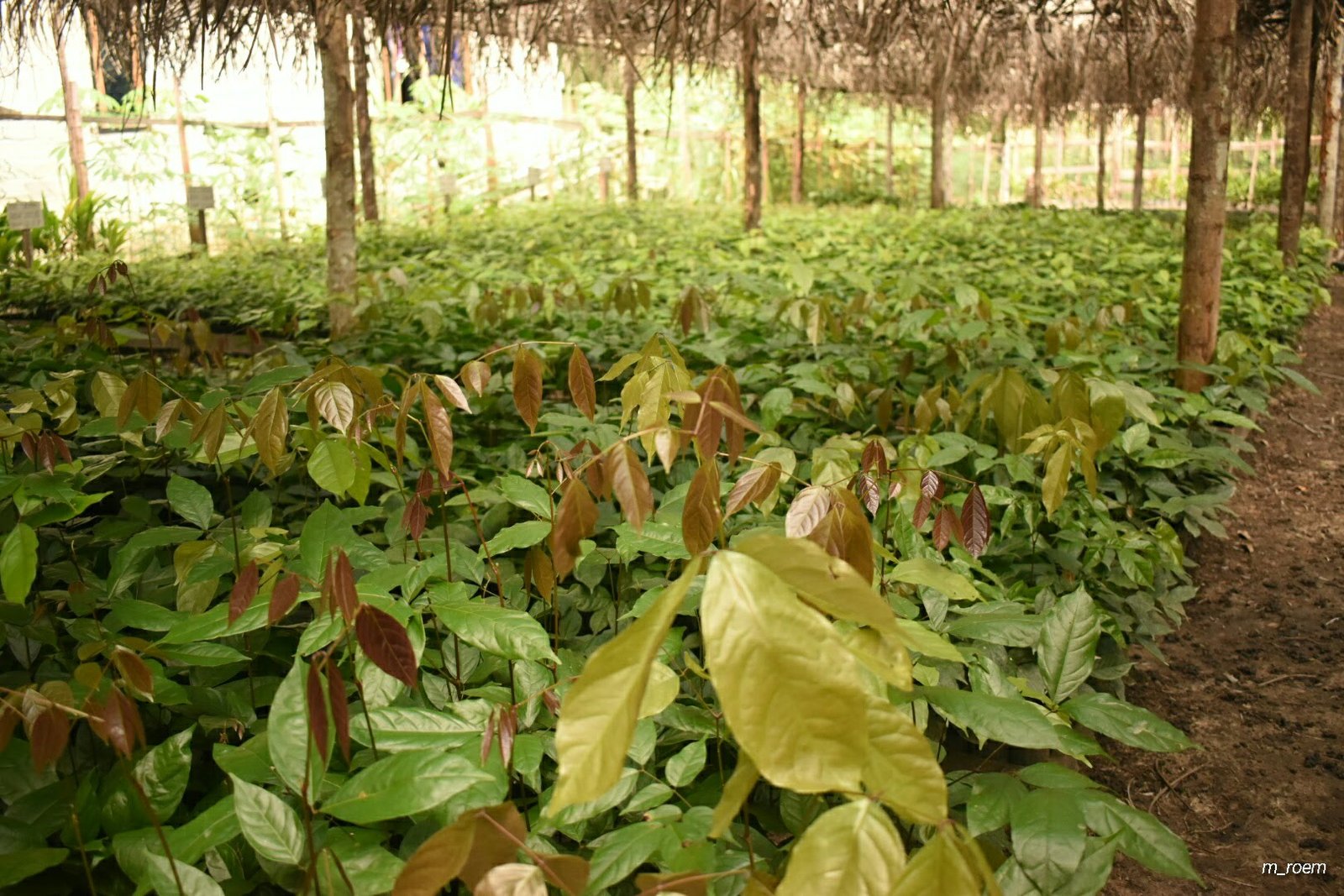
Selected photographs documenting project activities, field implementation, and community participation.
Work with us
Planning locally grounded environmental work in Riau?
Hutanriau collaborates with communities, donors, government agencies, research institutions, civil society organisations, and responsible private-sector partners.