medicinal plants documented
Local Knowledge, Research and Spatial Evidence
Medicinal Plant Knowledge of Lubuk Bigau
A community-based ethnobotanical study documenting 95 medicinal plant species and 55 traditional medicinal preparations in Lubuk Bigau.
Project overview
Project Overview
Hutanriau worked with community knowledge holders in Lubuk Bigau to document medicinal plants, reported uses, habitats and preparation practices. The study recorded 95 species and 55 traditional medicinal preparations as a foundation for local knowledge preservation and further research.
Project snapshot
At a glance
traditional medicinal preparations recorded
contributed interviews and field knowledge
Why this work mattered
Project Context
Medicinal plant knowledge in Lubuk Bigau is embedded in everyday practice, oral transmission, cultural identity, and close relationships with the forest landscape. Social and ecological change creates risks of fragmentation and loss of knowledge.
What we set out to do
Objectives
• Document medicinal plant species known and used in Lubuk Bigau.
• Record traditional medicinal preparations, their preparation methods, habitats, and associated knowledge.
• Identify challenges affecting intergenerational transmission.
• Organise evidence for research, learning, and conservation.
Delivery
What Hutanriau Did
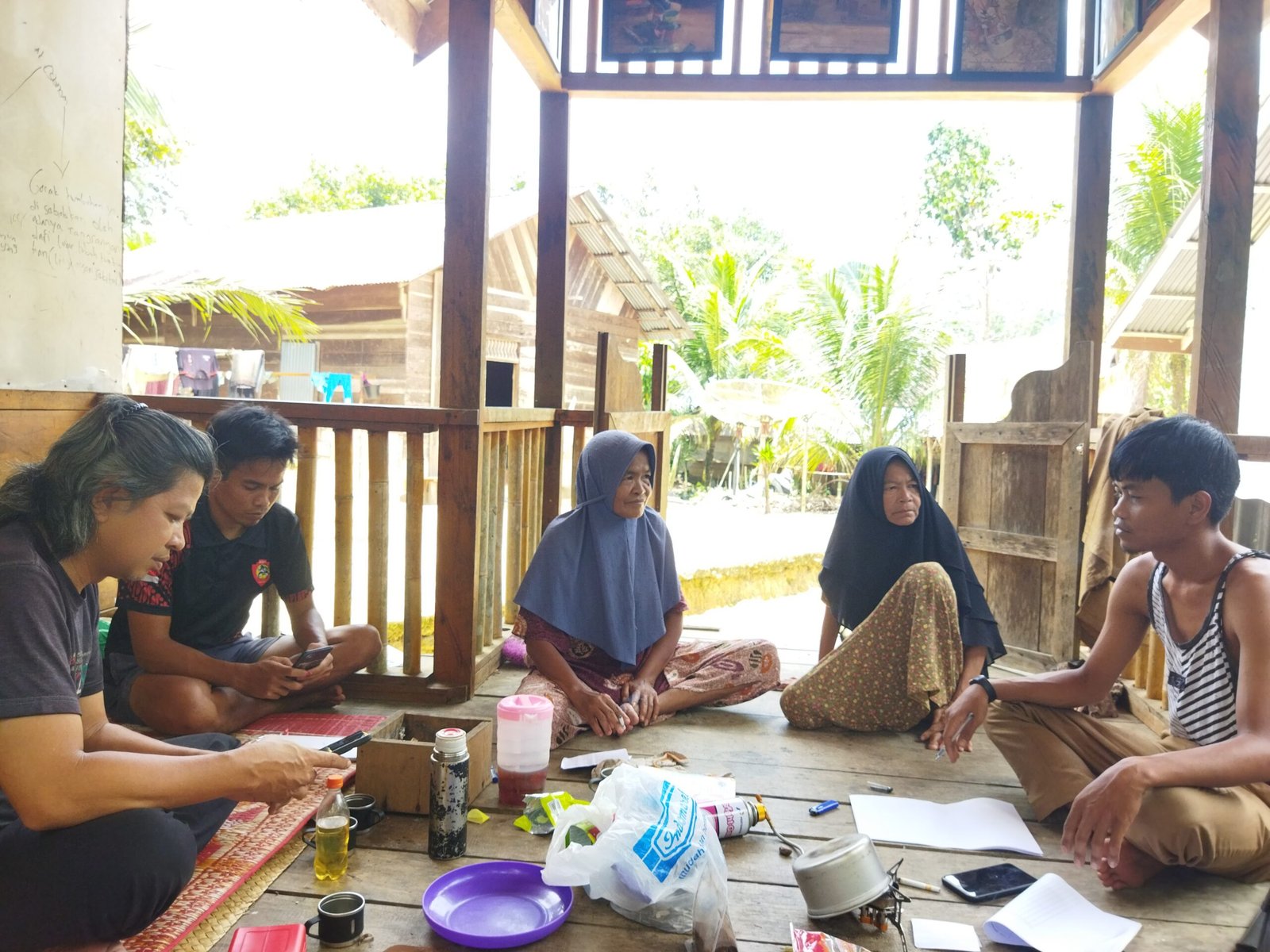
• Semi-structured interviews with knowledge holders.
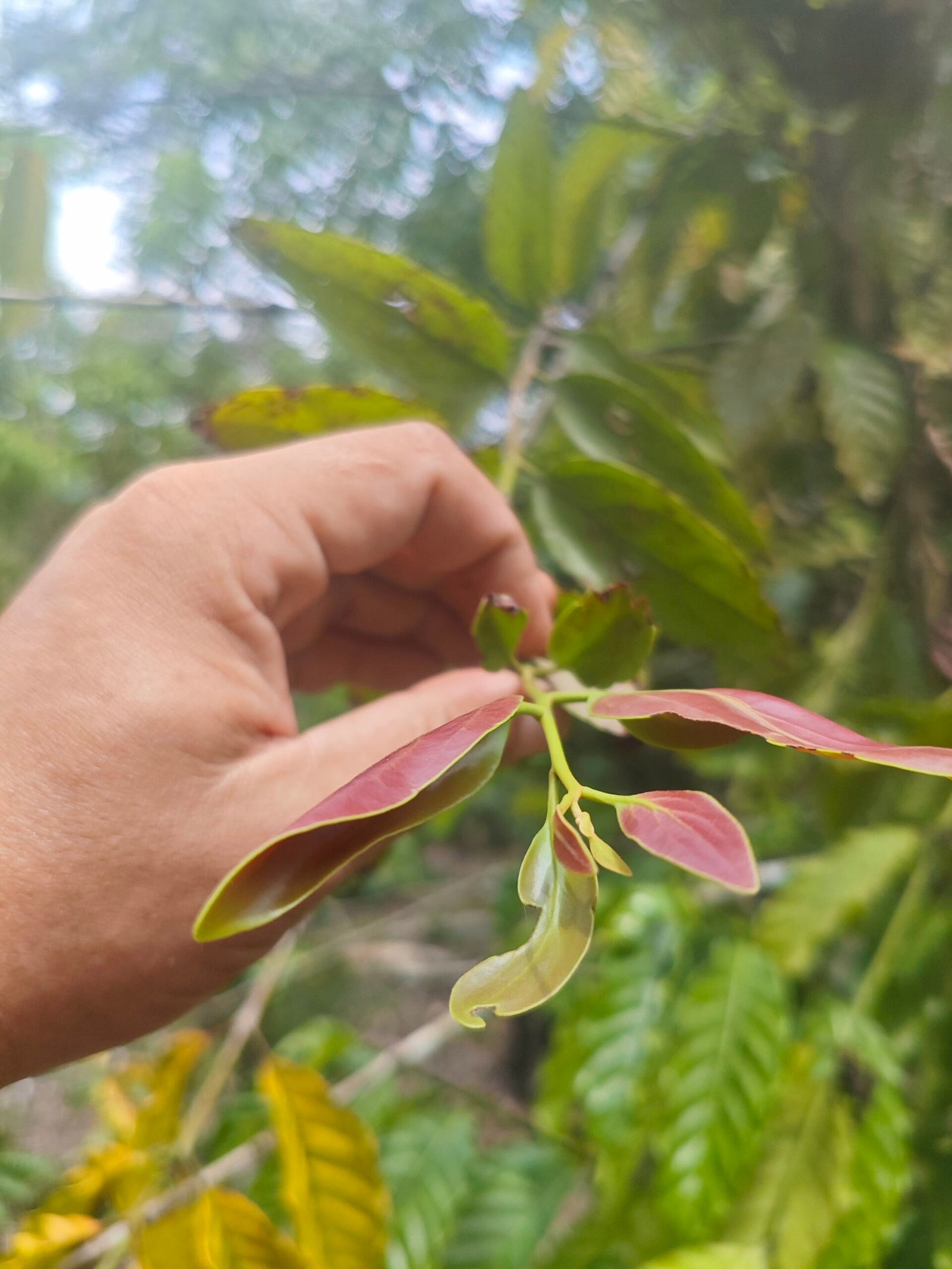
• Documentation of plants and habitats.
• Ethical collection of samples where appropriate.
• Thematic analysis.
• Public discussion of findings.
• Preparation of a scientific article and research materials.
What changed and what we learned
Results and Learning
The study brought dispersed oral and field-based knowledge into a structured record of species, habitats, preparation practices and reported uses. It also highlighted the need for intergenerational learning and careful governance of sensitive knowledge and locations.
The study documented local knowledge and use. It was not designed to assess clinical efficacy, dosage or safety.
Project album
Field Documentation
Selected photographs documenting project activities, field implementation, and community participation.
Work with us
Planning locally grounded environmental work in Riau?
Hutanriau collaborates with communities, donors, government agencies, research institutions, civil society organisations, and responsible private-sector partners.