Before a Jalur Races, It Grows for Decades in the Forest
A small conversation in Kuantan Singingi raised a bigger question about Pacu Jalur: if the tradition is to survive for generations, what must we begin protecting and preparing today?
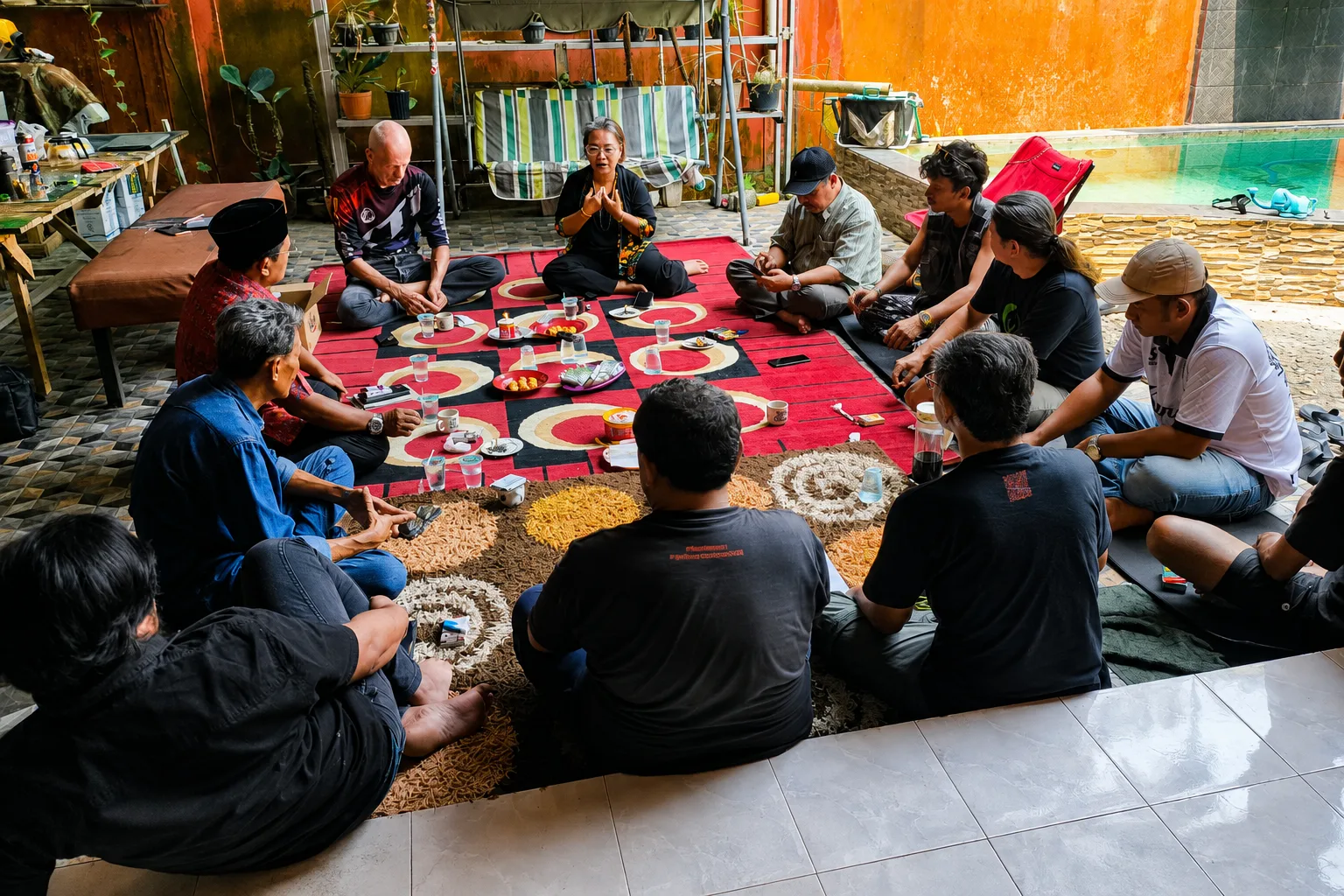
On a carpet in a home studio in Kuantan Tengah, a small group sat in a circle over coffee, snacks and an unexpectedly large question.
“Kan dibao kamano Pacu Jalur ko?”
Where are we taking Pacu Jalur?
There was no conference table, no formal stage and no long sequence of presentations. The conversation at ab_phituluiQ Home Studio was informal, at times humorous, at times uneasy.
Around the circle were people approaching Pacu Jalur from very different directions: customary leadership, oral tradition, cultural heritage, tourism, environmental work, local communities and visitors experiencing the festival from the outside. The discussion, titled Pacu Jalur: Tradisi vs. Lingkungan, was held on 21 August 2026. Participants included Melki Rumania of Yayasan Hutanriau, Afrizal Alang of ATL Riau, Sita Rohana of BPK Kepulauan Riau, Marc Thalmann, customary leader Dt. Paduko Rajo and others including Gifari Antoni, with Novriyanto moderating.
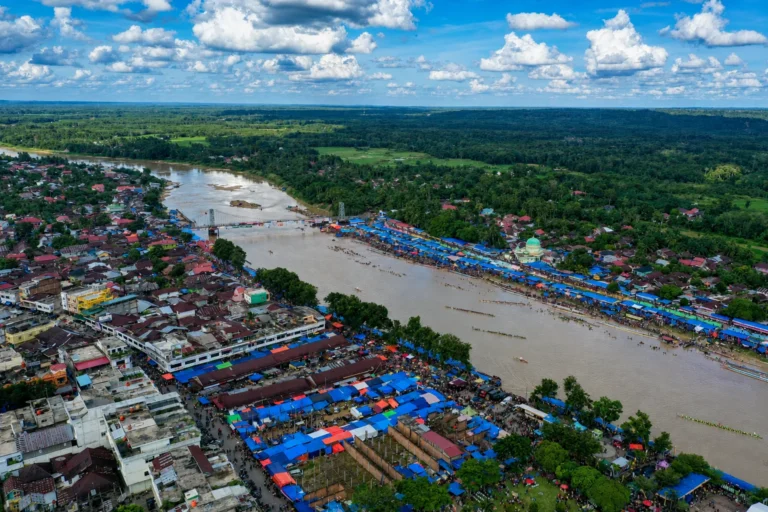
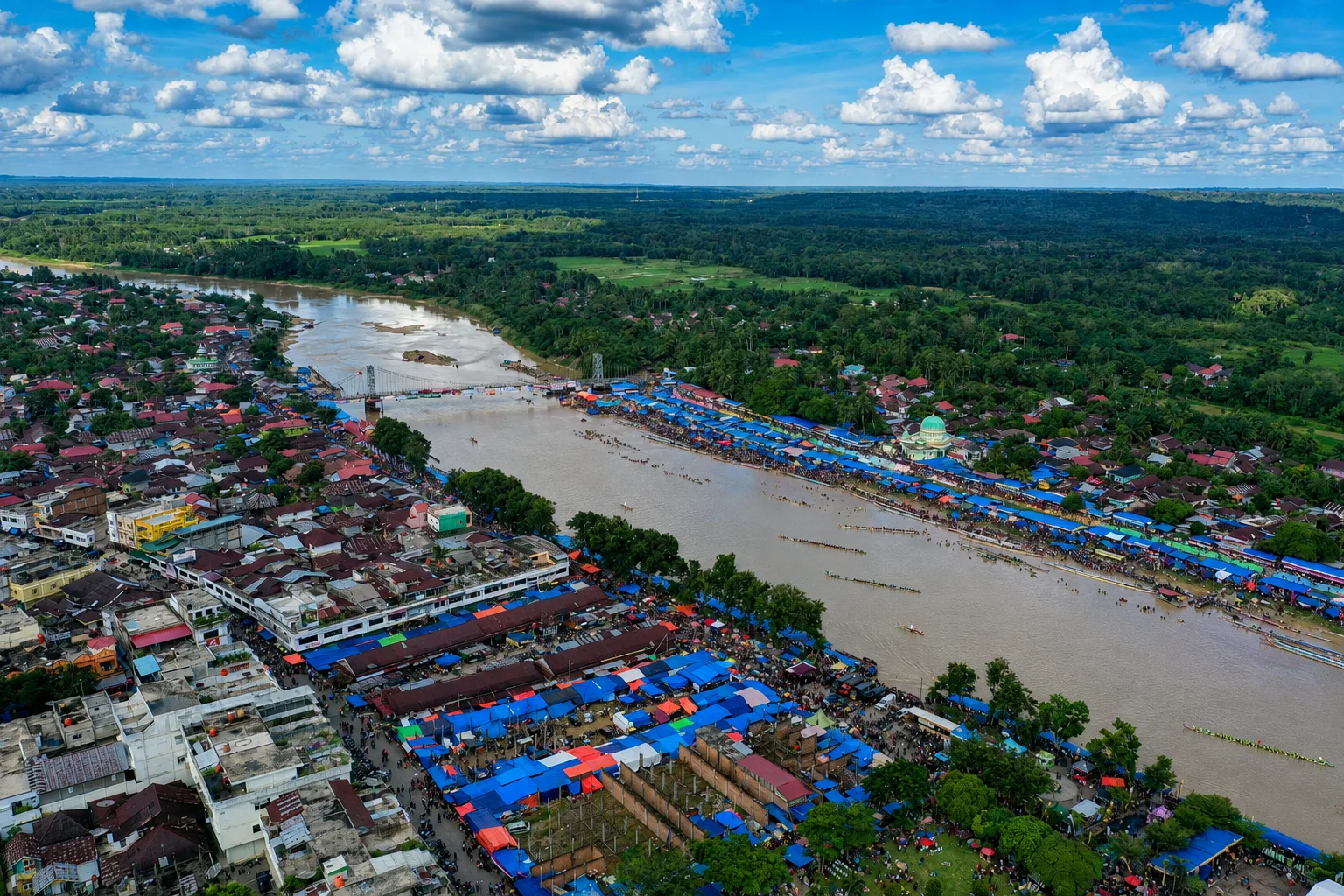
Outside that room, Kuantan Singingi was in the middle of its great annual celebration. The river carried the spectacle: long wooden boats, synchronised paddlers, cheering banks and a gathering that reached far beyond the finish line. Inside, the conversation moved in the opposite direction. It travelled back from the river to the villages, from performance to knowledge, from the finished jalur to its timber, and from timber to the forest.
More Than a Race
For Dt. Paduko Rajo, the starting point was simple: Pacu Jalur cannot be understood only through who crosses the line first.
“Pacu itu bukan nomor satunya yang penting. Pestanya itu yang penting.”
“The race is not the most important thing. The celebration is.”
Dt. Paduko Rajo
He returned to the same idea in another phrase: “Hakikatnya Pacu Jalur itu pesta rakyat.” “At its heart, Pacu Jalur is a people’s celebration.”
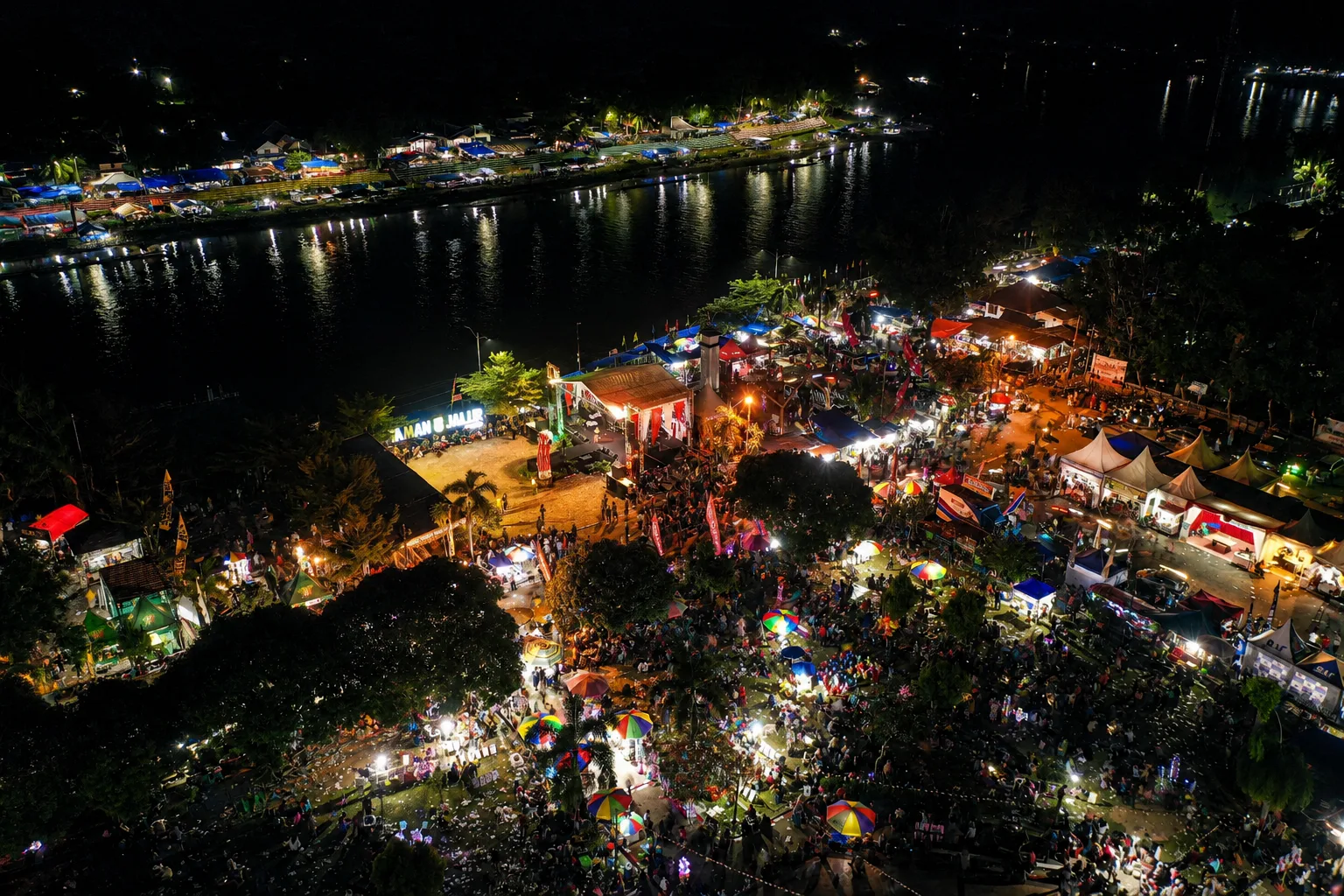
A people’s celebration is not made by crews alone. Villages organise, contribute, host and take pride in a jalur carrying their collective identity. Sponsorship, government support and commercial visibility can strengthen crews, facilities and the festival’s reach. That support should reinforce community identity rather than push it to the edge of its own tradition.
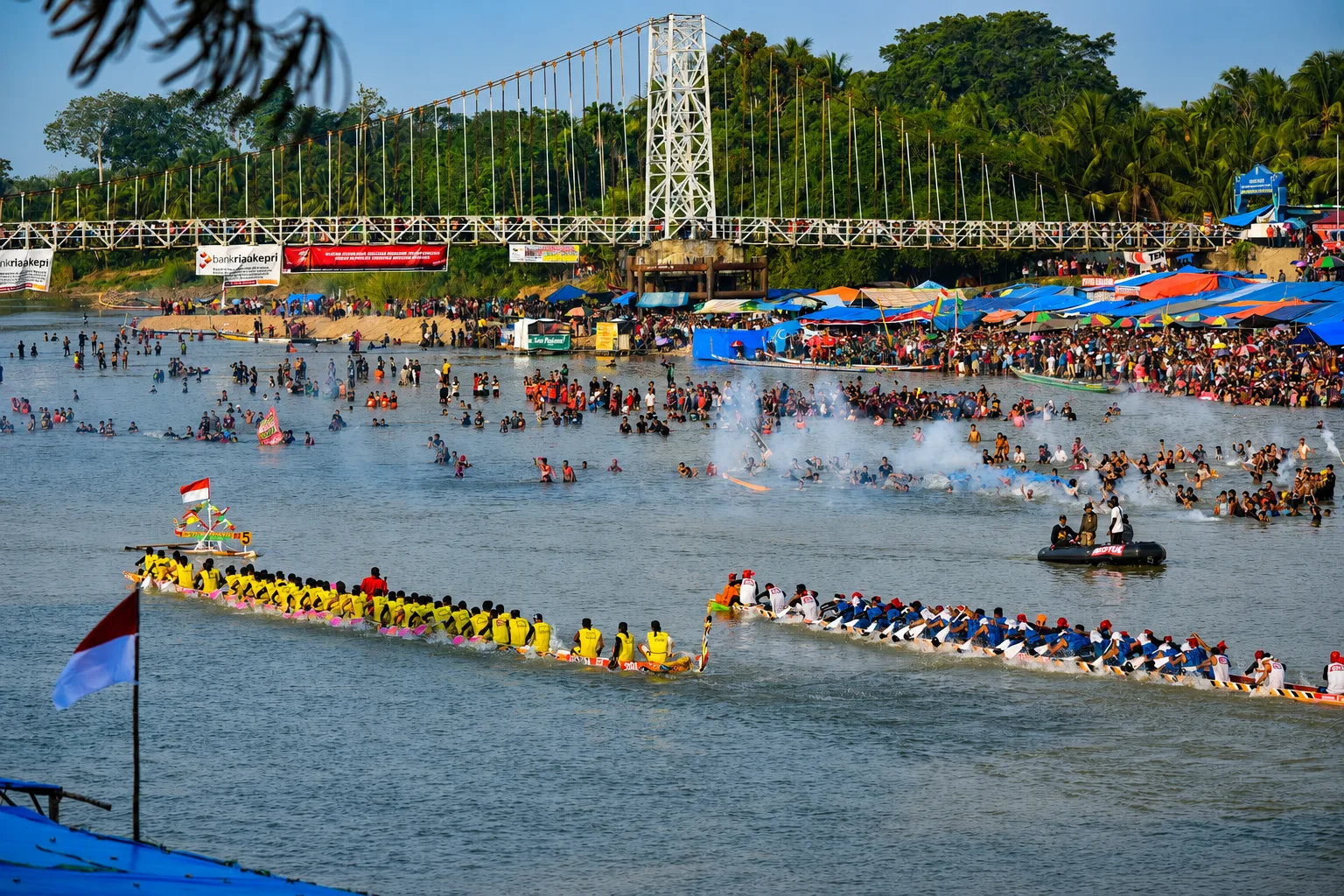
Traditions live because people continue to make them meaningful. The question is who guides change, whose knowledge remains visible, and whether support strengthens community ownership.
A Basket of Traditions
Sita Rohana described Pacu Jalur not as a single cultural object, but as a basket holding many traditions together.
“Tradisi itu tidak pernah berdiri sendiri. Tradisi selalu terkait dengan manusianya dan juga lingkungannya.”
“Tradition never stands alone. It is always connected to its people and its environment.”
Sita Rohana
Inside that basket are village organisation, customary institutions, craftsmanship, oral traditions, Rarak Godang, Randai, local knowledge, relationships between elders and young people, and the landscapes that provide materials. The race is the visible peak. It is what cameras capture and visitors travel to see. But a peak exists only because something much larger supports it below.
“Kita melihat Pacu Jalur pada eventnya, pada festivalnya, pada pacunya, tetapi kita melupakan orang kampung yang menyokongnya,” Sita said. “We see Pacu Jalur through the event, the festival and the race, but we forget the villages that sustain it.”
She added, “Kita juga melupakan bagaimana lingkungan menyediakan bahan untuk jalurnya.” “We also forget how the environment provides the material for the jalur.”
Seen this way, safeguarding Pacu Jalur is not a matter of choosing culture or nature. Cultural continuity depends partly on ecological continuity, just as it depends on communities retaining the space, confidence and knowledge to practise their traditions.
Before the River, There Is the Forest
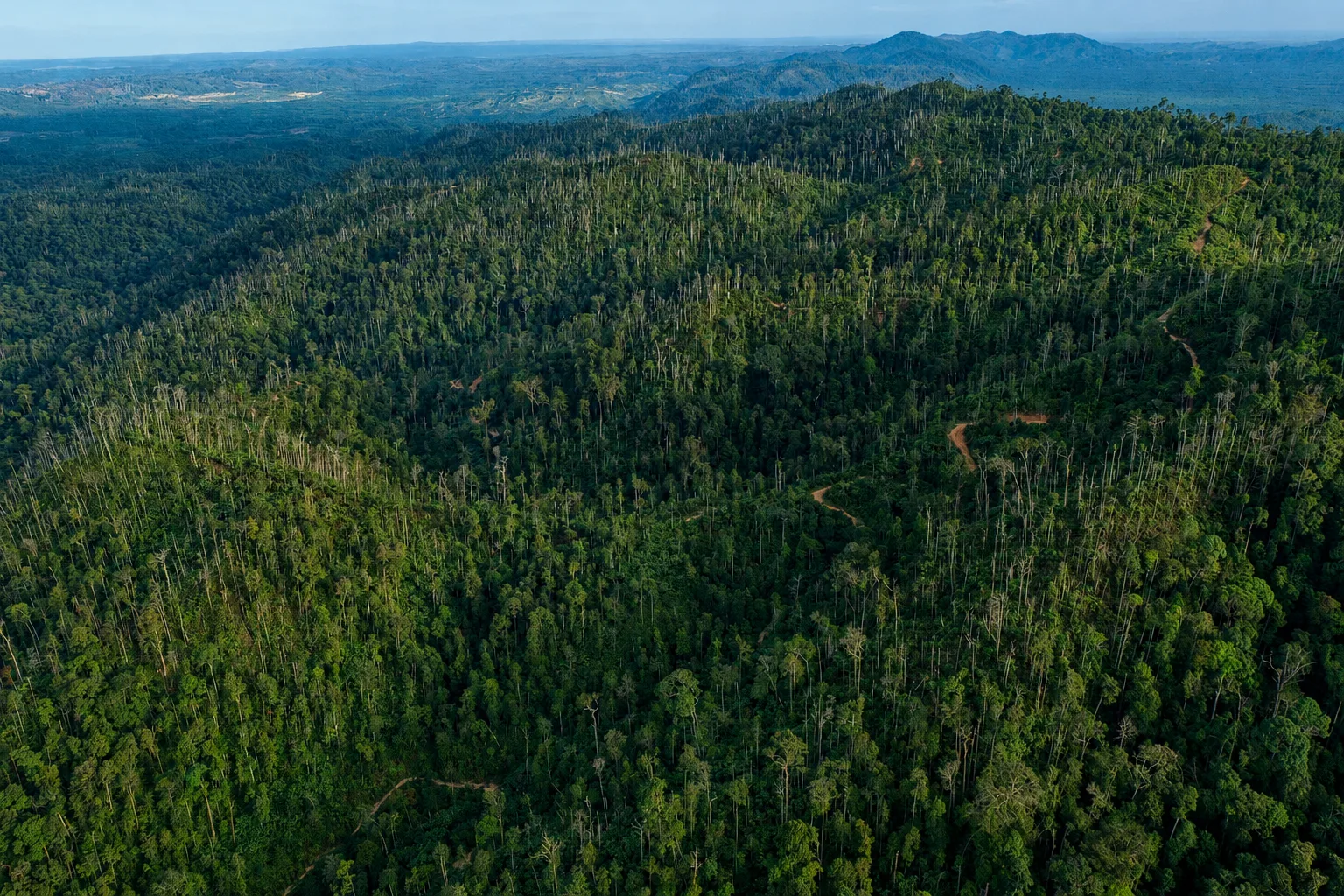
Melki Rumania brought the conversation to the material foundation of the tradition.
“Tidak ada Pacu Jalur tanpa jalur. Tidak ada jalur tanpa kayu. Dan tidak ada kayu tanpa hutan.”
“There is no Pacu Jalur without a jalur. There is no jalur without timber. And there is no timber without forest.”
Melki Rumania, Yayasan Hutanriau
The timescales are radically different. A race may last minutes. A jalur may serve its community for years. A tree large and suitable enough to become a jalur may need decades to grow.
“Sebelum sebuah jalur berpacu di sungai, ia terlebih dahulu tumbuh puluhan tahun di hutan.”
“Before a jalur races on the river, it first grows for decades in the forest.”
Melki Rumania
Bukit Batabuh Protected Forest is one of the largest source areas for timber used to make jalur in Kuantan Singingi. It is not the source of every jalur, but it is an important link between the celebrated tradition on the Kuantan River and the long-term ecological condition of a forest landscape upstream.
That link changes the planning horizon. Preparing for next year’s festival is necessary. Preparing the ecological basis for Pacu Jalur twenty or thirty years from now is a different task, and one that cannot begin at the last minute.
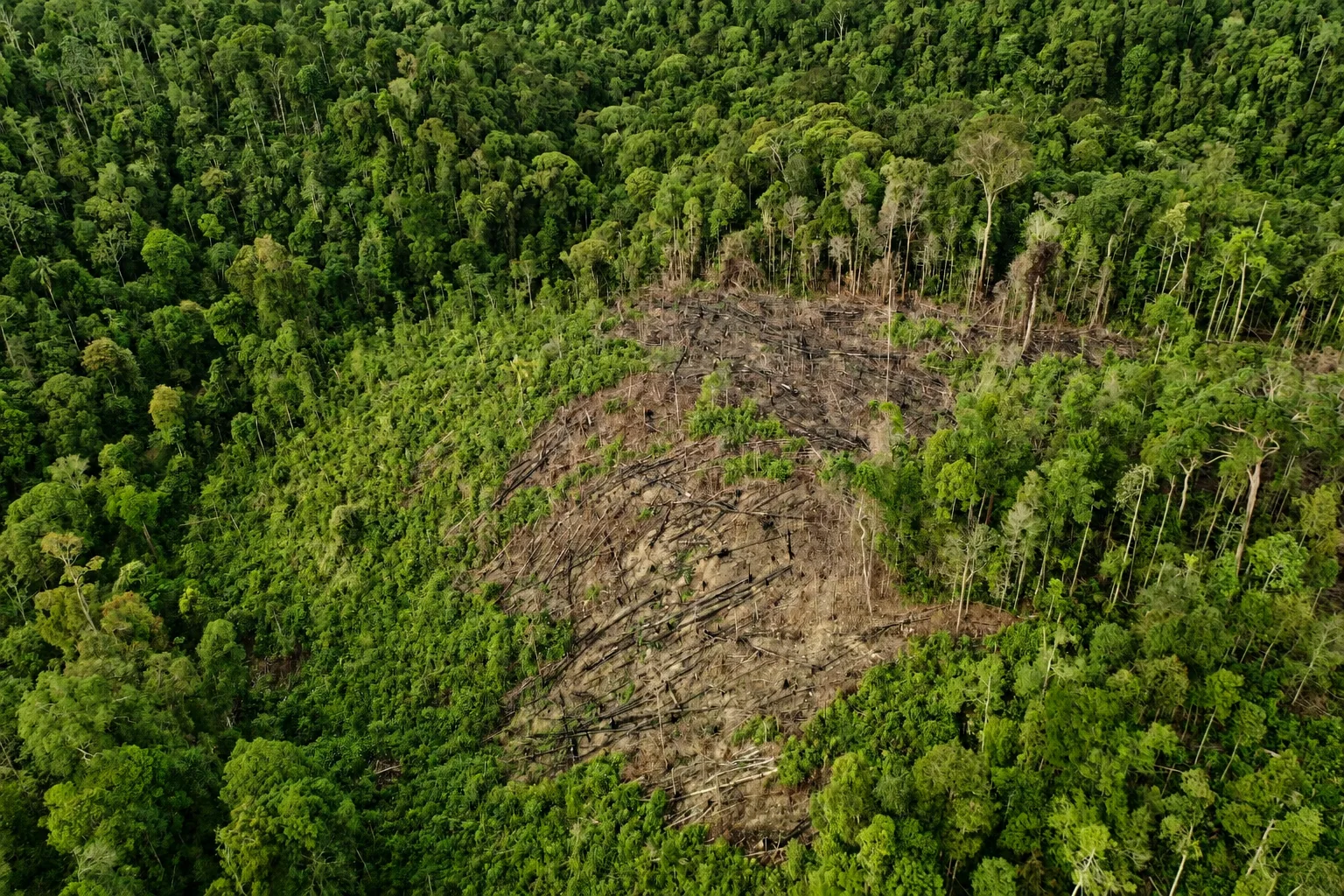
The visible opening in this wider landscape does not, by itself, tell us what caused it. It does show why forest condition and regeneration need attention. The future supply of suitable timber cannot simply be assumed.
Important questions remain open. Which tree species are traditionally preferred, and why? Where are suitable trees still found? How old and large must they become? What signs do experienced community members use when selecting a tree? How many potential jalur trees are regenerating now? Could villages begin deliberately identifying, protecting and planting trees that may become jalur for a future generation?
These are questions for communities, customary leaders, craftspeople, cultural researchers, forest managers and government to examine together. They are not claims that a regeneration programme already exists. They are an invitation to connect cultural planning with forest knowledge before scarcity makes the choice for everyone.
“Kita bisa menghitung berapa jalur yang dibuat setiap tahun. Tetapi apakah kita sudah tahu berapa pohon calon jalur yang sedang kita siapkan untuk dua puluh atau tiga puluh tahun mendatang?” Melki asked. “We can count how many jalur are made each year. But do we know how many potential jalur trees we are preparing for twenty or thirty years from now?”
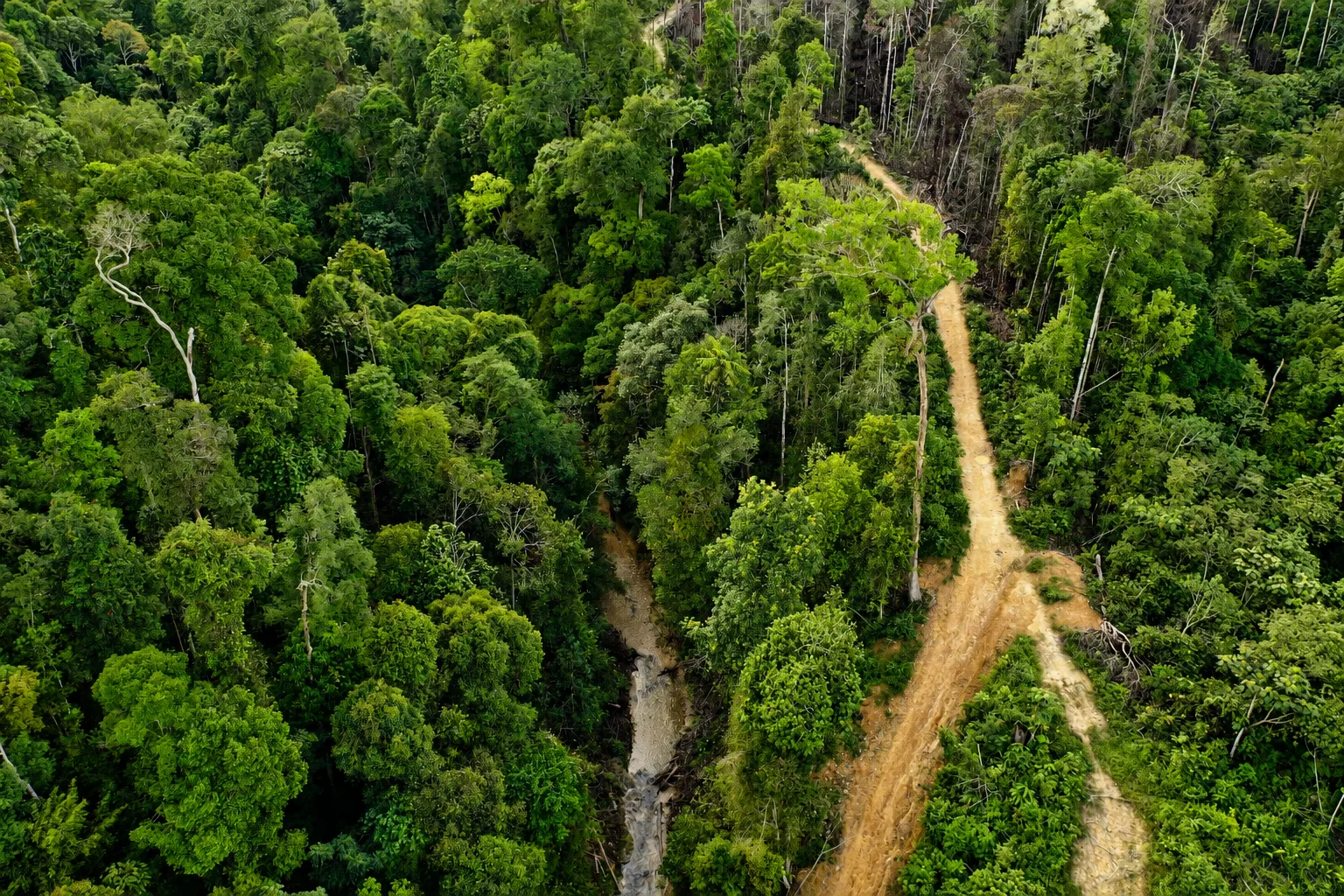
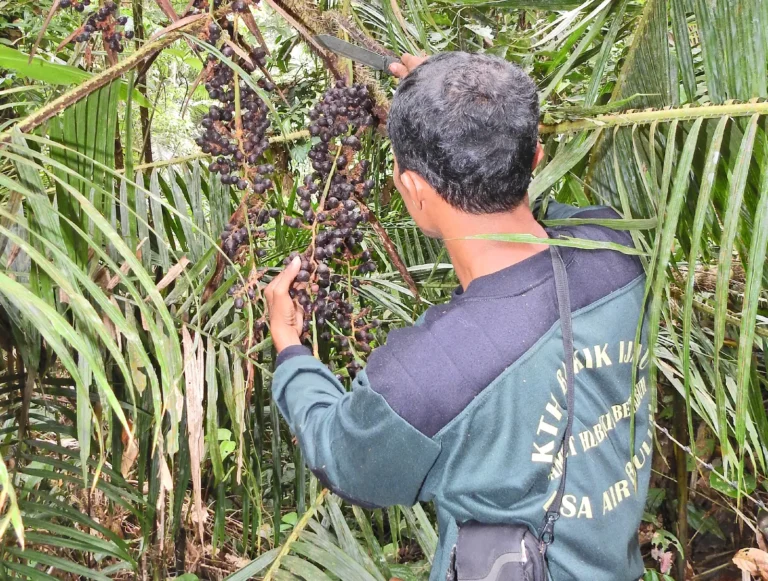
A field story from Bukit Batabuh on this site follows community forest management and jernang-based livelihoods within the same wider landscape. It offers another view of how forests here are lived in, learned from and connected to community futures.
When Knowledge Leaves With Its Keepers
Afrizal Alang condensed another risk into four words: “Persoalannya adalah pewarisan.” “The issue is transmission.”
The knowledge surrounding Pacu Jalur does not live only in documents. It lives in speech, rhythm, judgement, repeated work and relationships. It is held by people who know how a village organises around its jalur, how timber is assessed, how a boat is shaped, how stories are told, and how music and performance belong within the larger celebration.
Documentation matters. It can preserve names, record techniques and make knowledge easier to find. But a recording of a practice is not the same as a living chain of people able to carry it forward. Transmission needs occasions to listen, assist, practise, make mistakes and eventually take responsibility.
“Tradisi dan menang tidak apa-apa. Yang susah itu tradisinya hilang, menangnya terus.”
“Tradition and winning can go together. The problem is when the tradition disappears and only winning remains.”
Afrizal Alang
The warning is not against excellence in competition. It is against allowing the most measurable part of Pacu Jalur to outlive the knowledge that gives winning its meaning.
Rarak Godang, Randai and the Need to Experience Culture
Rarak Godang and Randai came into the conversation as reminders that culture is transmitted through experience. Young people need more than explanations that these traditions are important. They need chances to hear the music in its setting, see a performance unfold, recognise its stories, join the work behind it and understand how it relates to village life.
This does not mean freezing every form. It means ensuring that change grows from familiarity. A generation can adapt a tradition responsibly only after encountering it as something lived, not merely displayed.
Tourism Should Follow Culture
Sita offered a clear order of priorities: “Kita mesti memperkuat budayanya. Pariwisata akan datang dengan sendirinya.” “We need to strengthen the culture. Tourism will follow.”
She continued, “Bukan kita yang menyesuaikan dengan kemauan pasar. Wisatawan datang karena ingin melihat kekhasan kita.” “We should not reshape ourselves around market demand. Visitors come because they want to experience what is distinctive here.”
Marc Thalmann made a related point: “Pariwisata hanya satu pilar dari sebuah ekosistem.” “Tourism is only one pillar of an ecosystem.” A festival can welcome visitors and generate economic opportunity without asking communities to perform a thinner version of themselves. Tourism works best when it encounters a culture with confidence, roots and room for local people to lead.
“Kalau pohon tidak punya akar yang kuat, dia gampang tumbang.”
“If a tree does not have strong roots, it falls easily.”
Marc Thalmann
Access, public facilities, toilets, waste management, safety and hospitality shape a safe and welcoming celebration. They should support Pacu Jalur’s cultural centre, not reorganise the tradition around visitor expectations.
What the Camera Sees
Gifari Antoni reflected on the difference between attracting attention and leaving meaning behind. “Membuat sesuatu yang viral itu gampang. Membuat sesuatu yang melekat, diingat, dan punya isi, itu yang sulit.” “Making something go viral is easy. Making something that stays with people, is remembered and has substance is difficult.”
The camera also records contradictions. Gifari described one image from the river: “Mereka berpacu, tetapi di tengah-tengahnya ada sampah yang hanyut.” “They were racing, but rubbish was floating between them.”
Waste in and around the river is not a minor visual inconvenience. It touches environmental responsibility, visitor experience and the dignity of a celebration so closely identified with the Kuantan River. Responsibility is shared among organisers, authorities, businesses, visitors and residents. The useful response is not to blame one group, but to make prevention, facilities and collective care as visible as the race itself.
Thinking in Generations
The small conversation in Kuantan Tengah did not produce a master plan, and it was not meant to. It did something more modest and perhaps more useful: it widened the frame.
Pacu Jalur will always need crews, training, coordination and a well-prepared annual celebration. It also needs villages able to sustain collective ownership, elders and practitioners able to pass on knowledge, younger people with opportunities to experience culture, a river treated with care, and forest landscapes where suitable trees can continue to grow.
“Jangan hanya menyiapkan jalur untuk pacu tahun depan. Mulailah menyiapkan pohon untuk Pacu Jalur generasi berikutnya.”
“Do not only prepare a jalur for next year’s race. Start preparing the trees for the next generation of Pacu Jalur.”
Melki Rumania
A jalur races for minutes. A tree grows for decades. A tradition is carried across generations.
“Kan dibao kamano Pacu Jalur ko?”
The answer depends not only on what happens at Tepian Narosa next year. It depends on what communities, customary institutions, cultural practitioners, government, supporters and visitors choose to protect, regenerate and pass on today.