OUR APPROACH
How Field Information Shapes Our Work
Yayasan Hutanriau begins each project by examining the place, the people and institutions involved, and the information already available. Maps, interviews, field observations and project records help define what needs to be done and how progress will be reviewed.
HOW WE WORK
Designed Around Documented Conditions
Projects are designed around the conditions recorded in each place, rather than a fixed model.
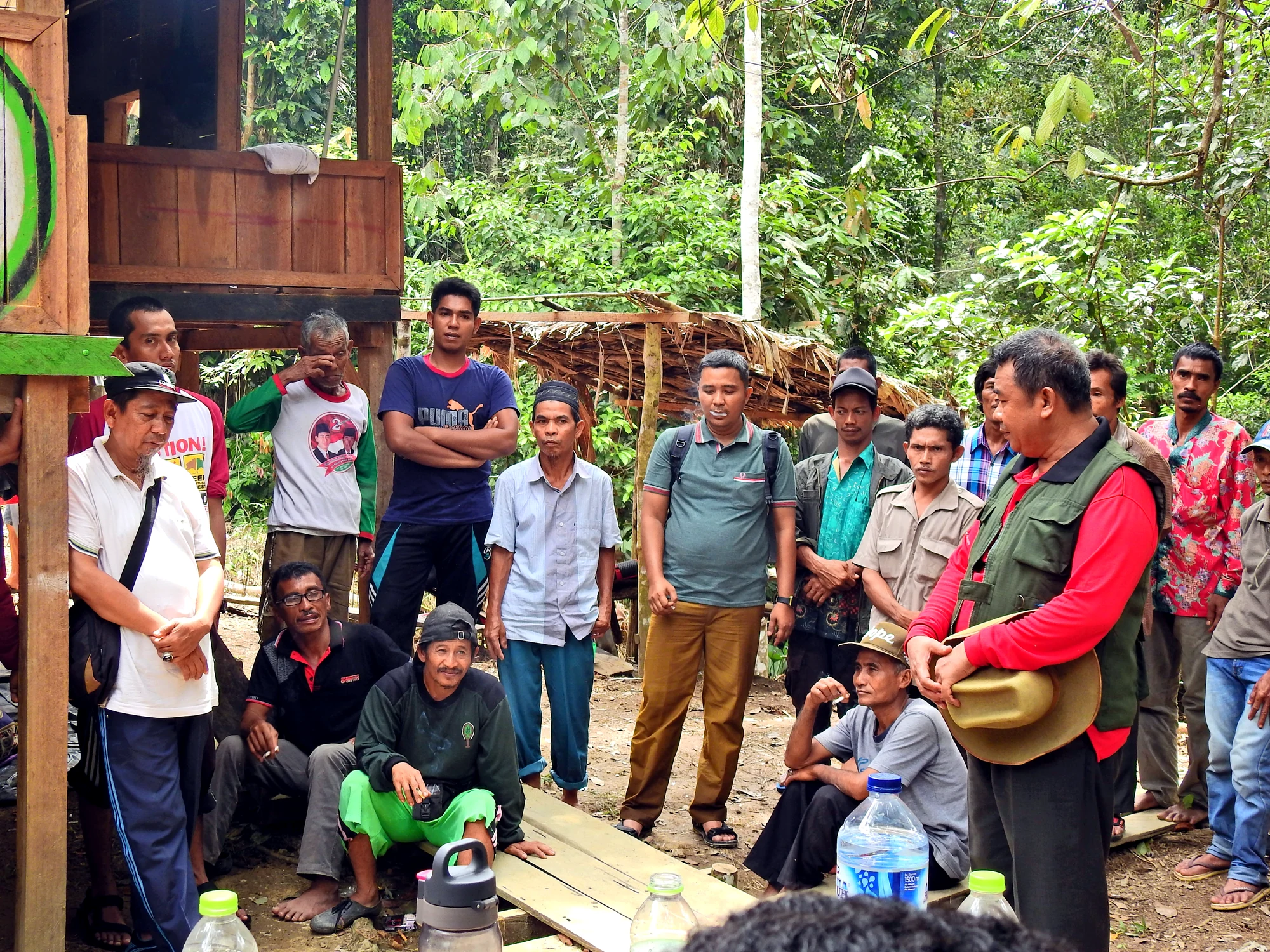
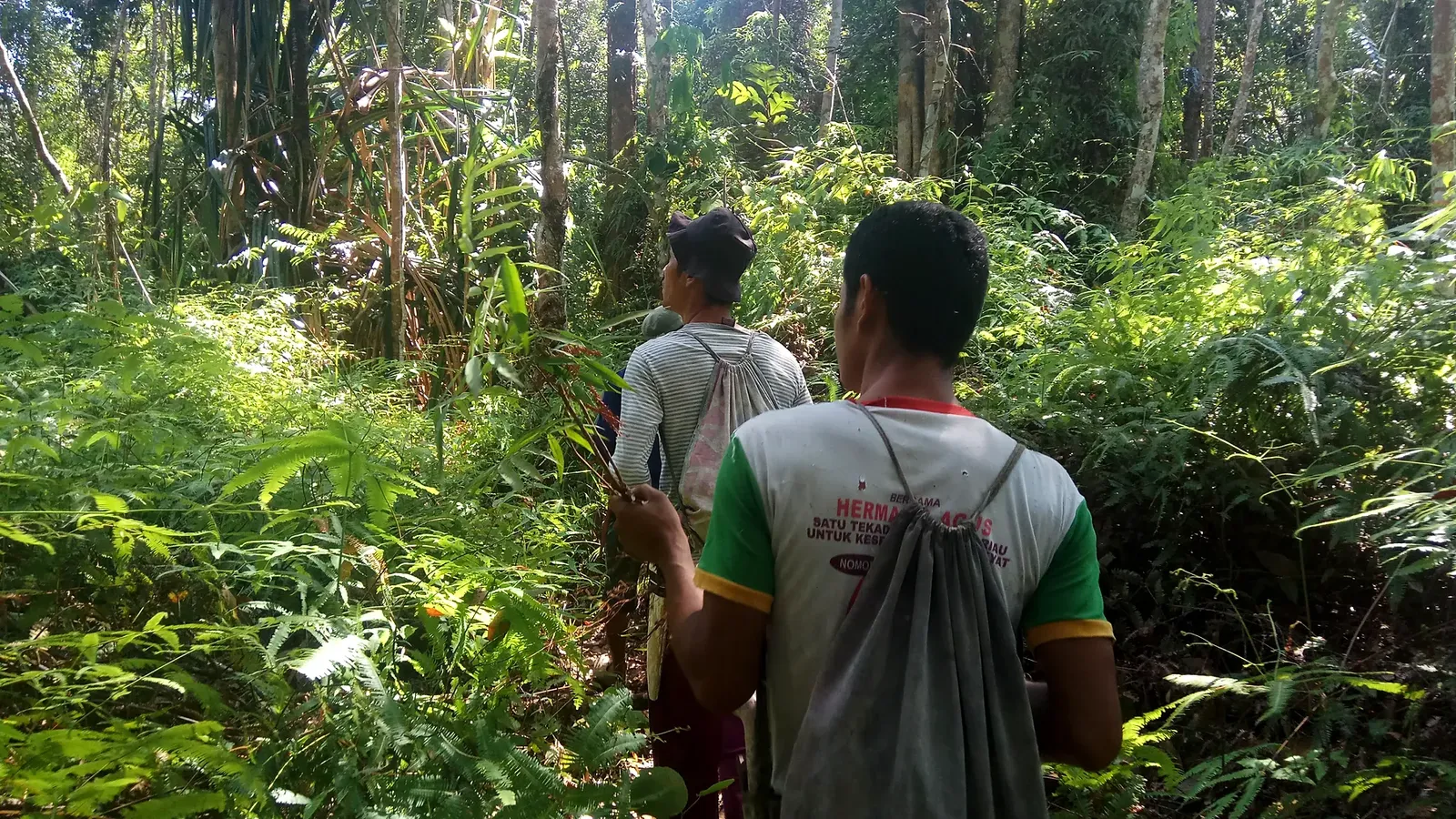
Depending on the assignment, Hutanriau may facilitate participatory mapping, assess land use, organise discussions, carry out surveys, train local monitors or help partners review project records. Community groups, government agencies and other partners take different roles according to the project.
At the outset, the people and institutions involved clarify roles, decision-making arrangements, safeguards and the records needed to assess results. Field teams then review what is changing, what remains uncertain and where plans need to be adjusted.
Six Principles Guide Our Work
01
Participation and Informed Decisions
Participation is planned around the decisions involved. Where free, prior and informed consent is required, the process must reflect the people and rights concerned.
02
Local Knowledge, Tenure and Institutions
Project teams examine how people use land and resources, which institutions make decisions and where formal or customary tenure affects the work.
03
Maps, Surveys and Field Records
Participatory maps, spatial data, survey findings, observations and project documents are used to define activities and review results.
04
Environmental and Social Safeguards
Potential risks are reviewed during project design. Safeguards and grievance arrangements are matched to the scope, partners and people affected.
05
Review and Learning
Teams track agreed outputs and results, record problems and revise activities when field information shows that an assumption or method needs to change.
06
Clear Responsibilities
Before work begins, Hutanriau and its partners clarify roles, resources, reporting requirements and the records each party will maintain.
A Practical Project Sequence
- Understand the setting. Review available records, speak with relevant people, map stakeholders and identify information gaps.
- Agree the work. Define objectives, roles, safeguards, decision points and what will be documented.
- Carry out the activities. Combine facilitation, technical work and field implementation as the project requires.
- Review the records. Assess outputs, observations and problems with the people and institutions involved.
- Decide next steps. Adjust the work, document unresolved questions and agree what can continue after the project period.
WORK WITH US
Discuss Field Collaboration in Riau
Yayasan Hutanriau works with community groups, government agencies, research institutions, civil society organisations, businesses and donors on projects involving land, forests, biodiversity, livelihoods and local knowledge.