Restoration Delivery with Verified Survival Audits
We deliver community-based ecosystem restoration from site planning and local nurseries to planting, enrichment, maintenance, weed control, and standardised survival audits. The programme is designed for transparent verification and adaptive learning, with safeguards and inclusion embedded throughout delivery
Quick facts
- Designed for fundable, multi-season delivery cycles, not one-off planting
- Supports partner accountability with documented methods and verification routines
- Flexible implementation, co-designed with communities and local stakeholders
What this programme delivers
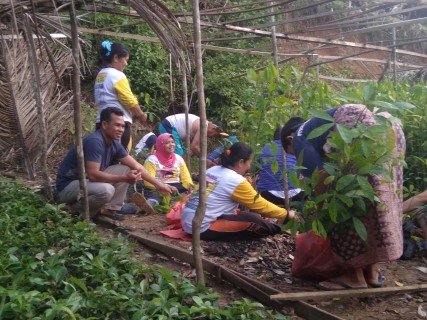
This programme delivers restoration as a system, not a one-off planting event. We build local nursery capacity, implement restoration and enrichment actions, and maintain sites through planned care cycles, then verify progress through standardised survival audits
- Site planning and restoration design
- Local nurseries and seedling systems
- Planting and enrichment planting
- Maintenance and care cycles
- Weed control and site protection measures
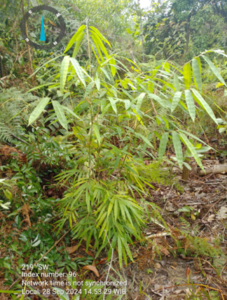
- Standardised survival audits for verification
How we work
Engage and confirm FPIC
FPIC is applied across interventions to ensure informed participation and meaningful consent
Co-design and implement
We co-design restoration actions with communities and partners, grounded in field realities and local knowledge
Safeguards and risk management
We prevent and manage social and environmental risks using conflict-sensitive approaches, dialogue and map-supported resolution where needed
Monitoring, evaluation and learning
We set baselines and targets, track survival rate and practice adoption, and adapt delivery through evidence and feedback cycles
Safeguards, inclusion and learning
Safeguards and risk management
We apply social and environmental safeguards, with risk management to strengthen accountability and reduce harm
Inclusion and participation
We prioritise participation of women, youth, and vulnerable groups across delivery and benefit pathways
Grievance, feedback and MEL
Community feedback is gathered through village forums and a documented grievance mechanism, feeding directly into MEL cycles
Evidence and learning
Our evidence approach combines baselines, targets, and participatory verification across household, group, and landscape levels, then tracks environmental, social, and economic outcomes for continuous improvement
- Baseline setting, targets, and participatory verification at household, group, and landscape levels
- Outcome measurement including ecological recovery signals, practice adoption, and livelihood improvement pathways
- Documented community feedback and grievance pathway feeding into MEL cycles
Fund verified restoration delivery with transparent reporting
Partner with us to deliver restoration actions with standardised survival audits, safeguards, and evidence-led learning in priority landscapes
For partnership, due diligence, or programme design inquiries, contact us at sekretariat@hutanriau.org