Year :
Location :
Programme area :
Partners :
Donor/Funder :
Status :
Lubuk Bigau is a remote forest village where traditional medicinal knowledge has historically been transmitted orally. While the knowledge remains present, it is increasingly vulnerable due to weakening intergenerational transmission and modernisation pressures. Many younger community members recognise plant names and reported uses, yet lack confidence and practical experience in applying the knowledge, creating a widening gap between knowing and practising. At the same time, declining everyday use and limited recognition of the economic value of traditional medicine reduce incentives to maintain these practices, while environmental degradation increases the risk of losing culturally and ecologically valuable species
This ethnobotany study was designed to safeguard living traditional medicinal knowledge in Lubuk Bigau by documenting medicinal species, formulations, and use practices in a structured, evidence based format. The work also aimed to establish a usable dataset for follow on research and learning materials, while generating practical recommendations that strengthen community resilience, biodiversity conservation priorities, and community based governance
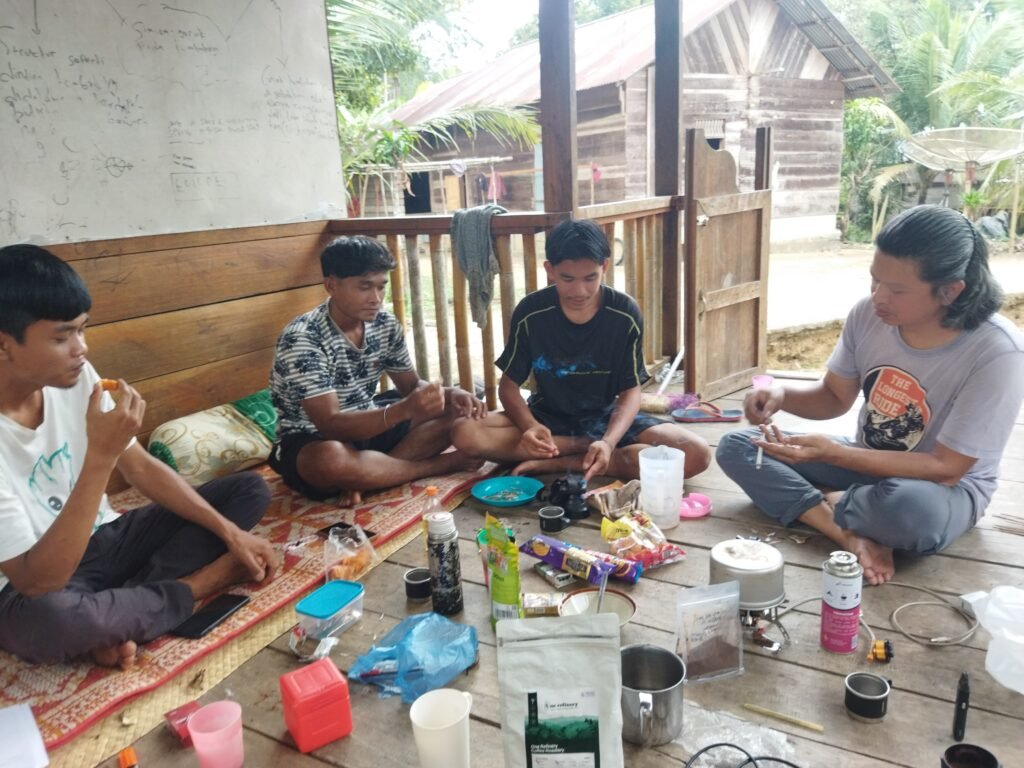
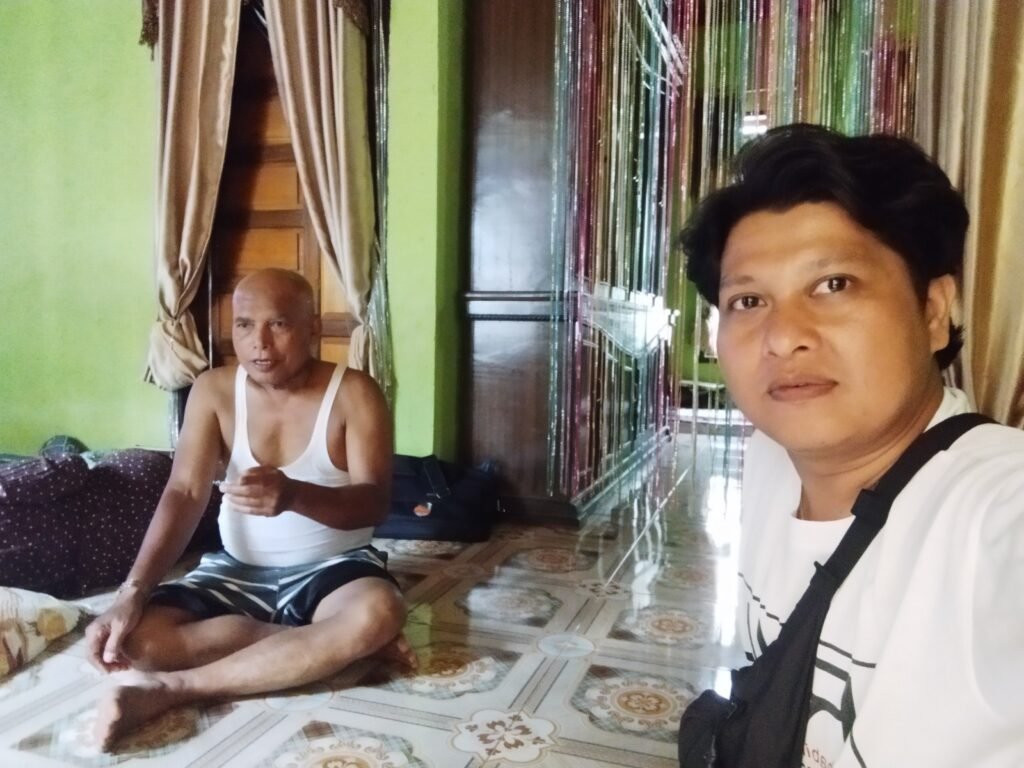
The study applied a participatory, ethics first approach. Informed consent was obtained prior to interviews, with clear explanations of the study purpose and intended data use. A community data agreement was established covering access, publication potential, and community benefits. Local guides and assistants were engaged to ensure field safety, improve location accuracy, and strengthen community involvement. Technical procedures followed semi structured interviews with audio and video recording, thematic transcription and analysis, selective and ethical specimen sampling with coding, and structured visual documentation of morphology and habitat with photo metadata
The project applied a participatory approach with informed consent and a community data agreement, working closely with village authorities and local knowledge holders. Activities combined semi structured interviews, guided field walks, morphology and habitat documentation, and systematic recording of formulations and preparation methods. Data were then consolidated and thematically analysed, and the findings were shared through a public dissemination forum in Pekanbaru to validate learning, expand partnerships, and inform follow up actions
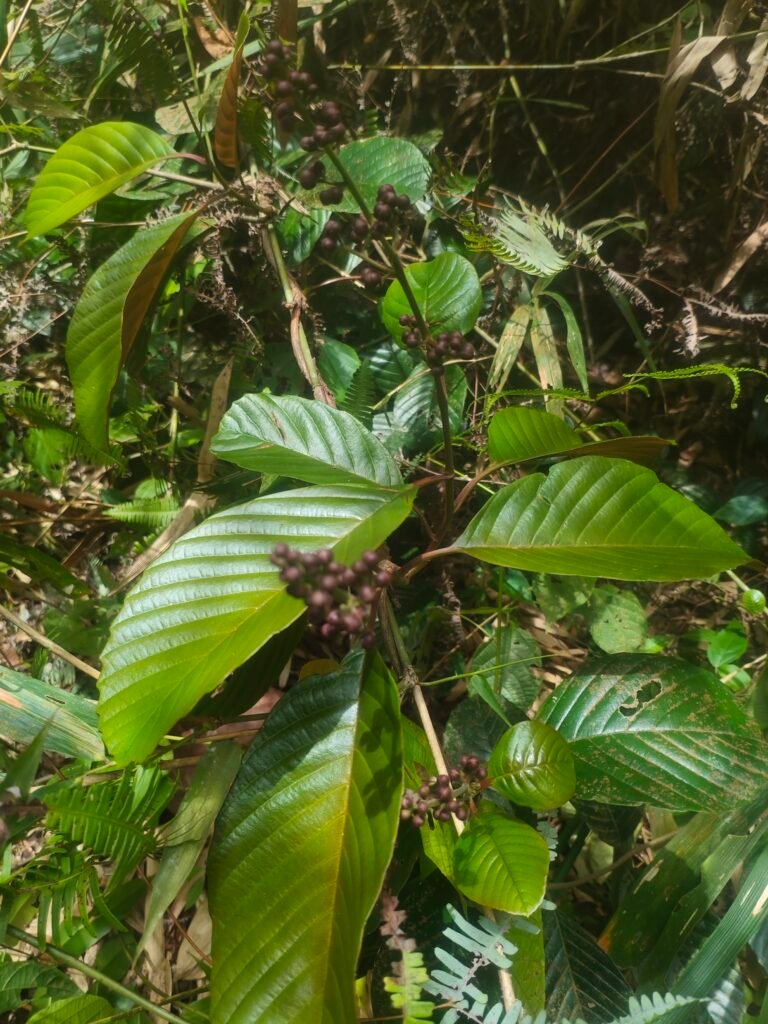
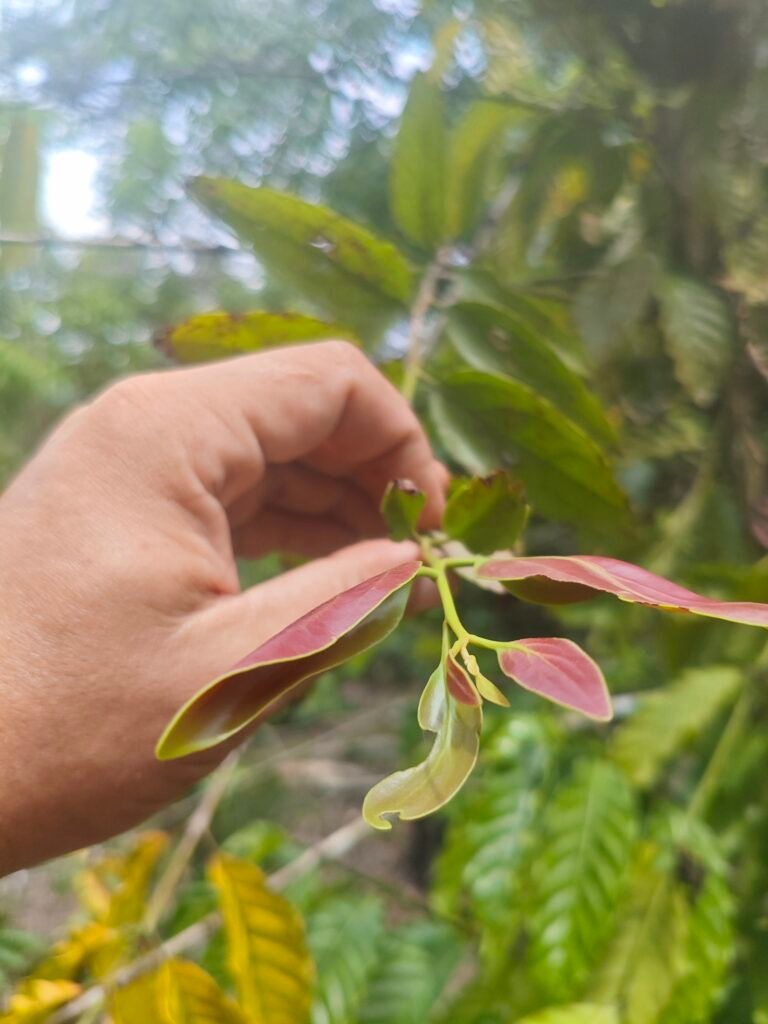
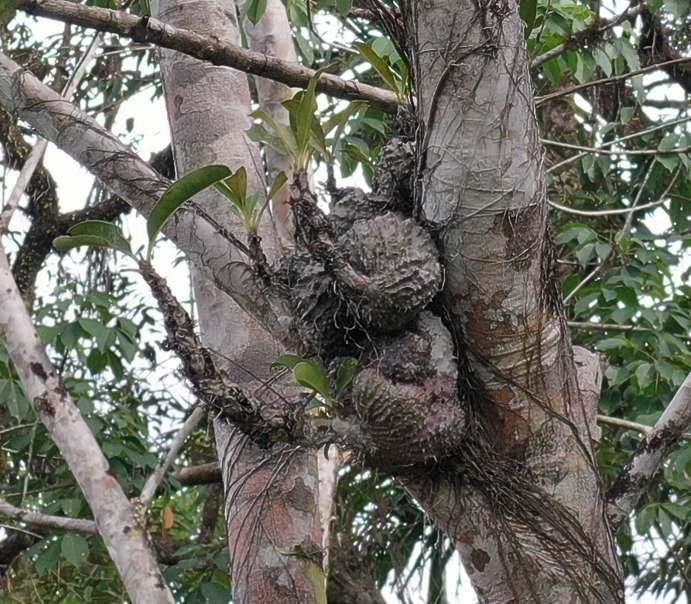
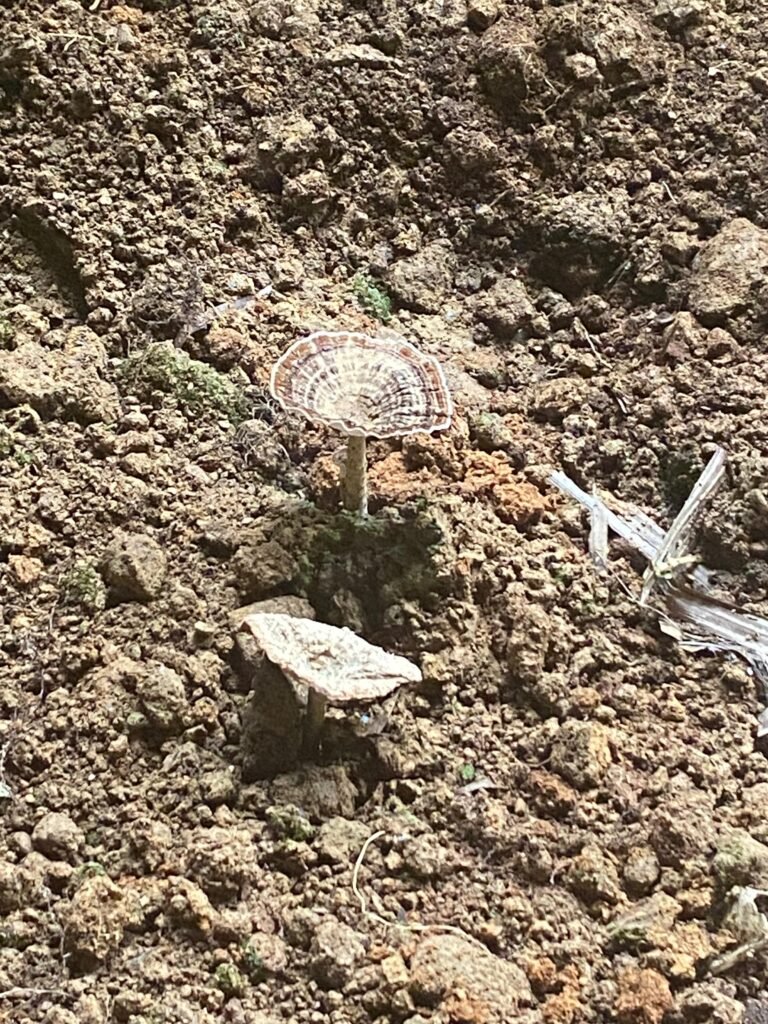
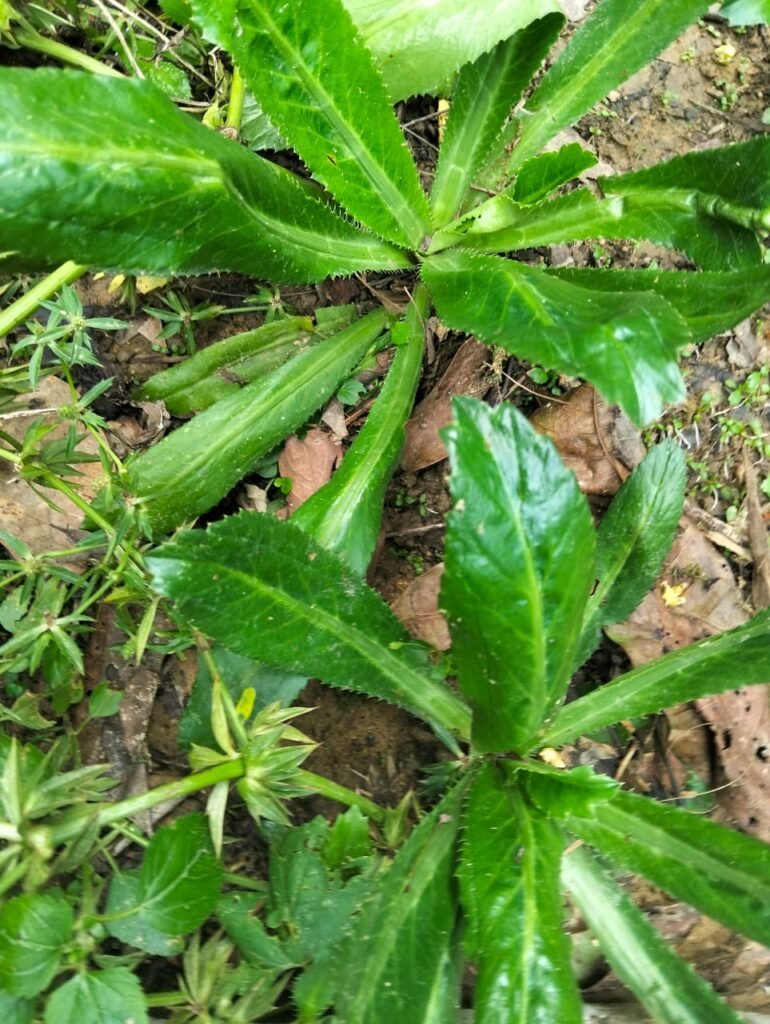
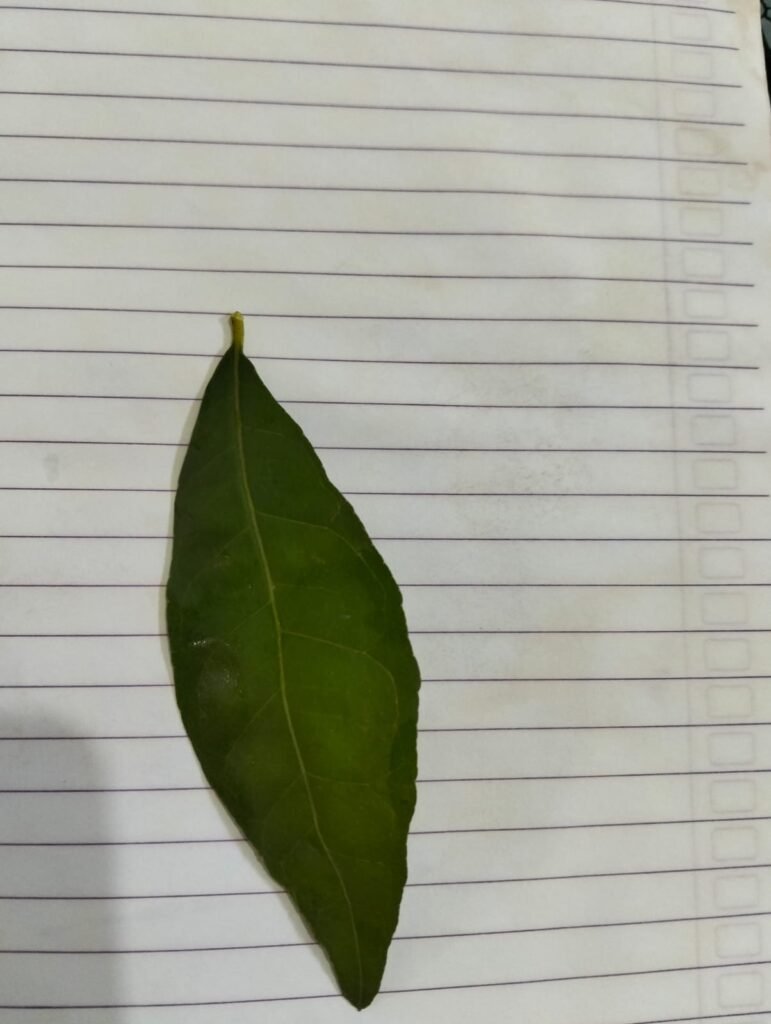
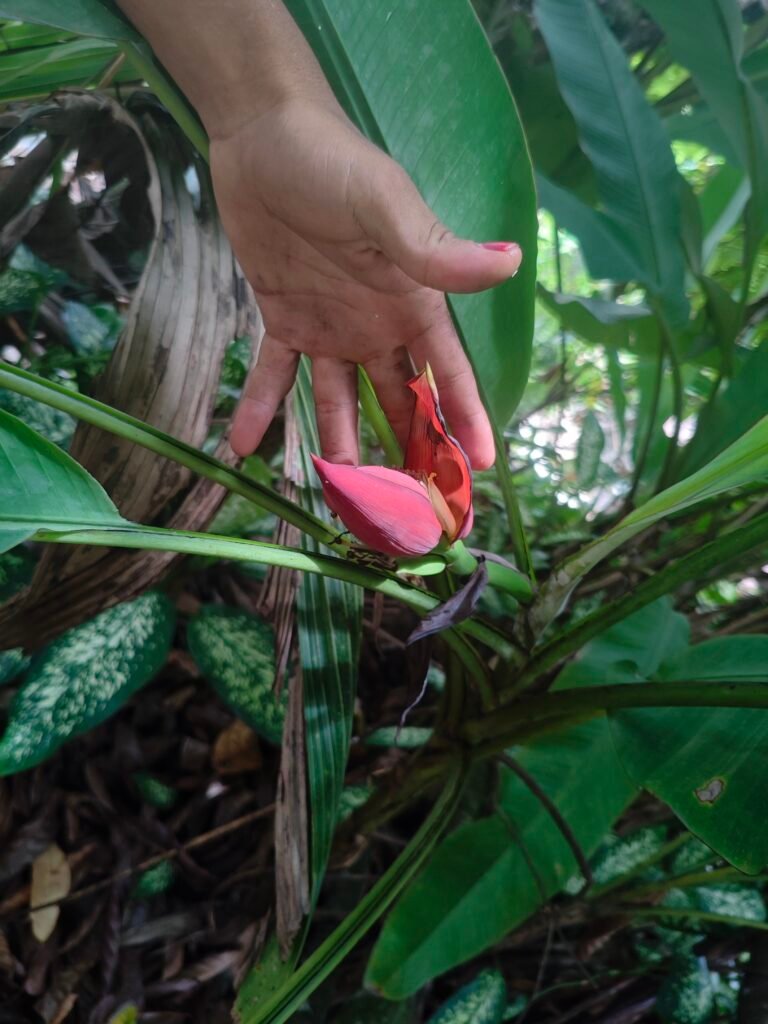
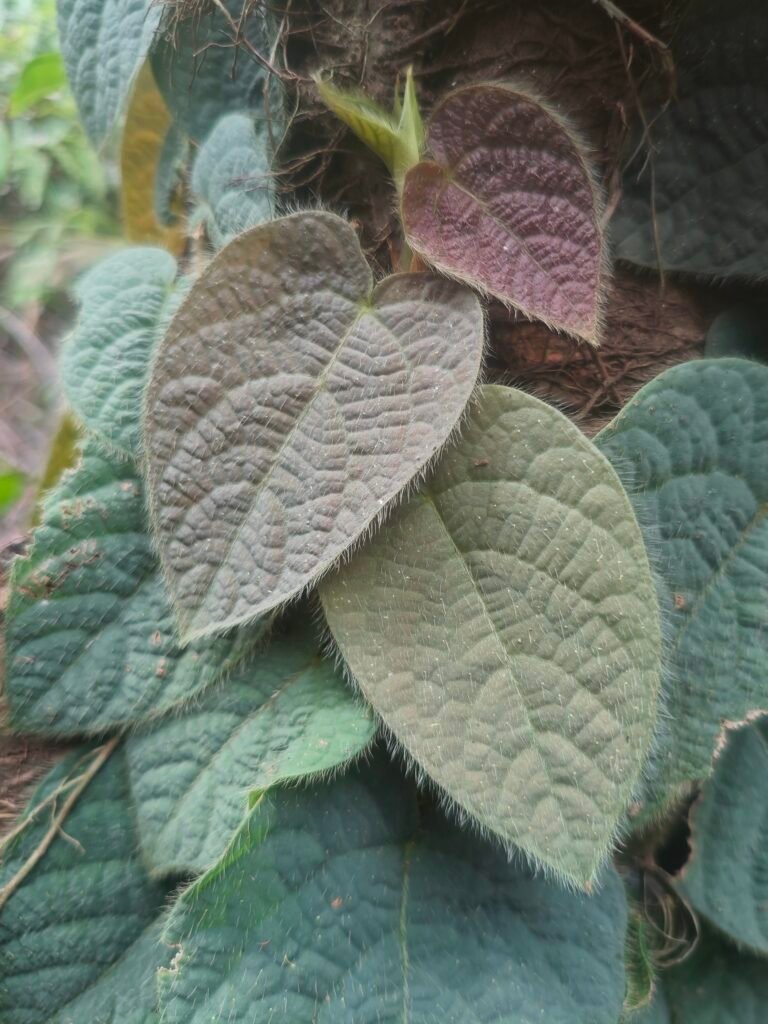
Key outputs included documentation of 95 medicinal plant species and 55 active traditional formulations, including relevant non plant ingredients used in practice. The study also flagged that a portion of culturally important species are increasingly difficult to find, indicating conservation urgency and the need for targeted follow up. Most results were captured directly during fieldwork, while remaining gaps were addressed through a community based follow up mechanism, with outputs compiled into actionable recommendations for future programming
The study confirmed that ethnobotanical knowledge in Lubuk Bigau remains alive, but is increasingly at risk, particularly as practical transmission to younger generations weakens. The work also highlighted a strategic opportunity, ethnobotany can bridge biodiversity conservation and cultural safeguarding, while supporting community based governance with actionable evidence. Key learning included, (1) regeneration needs to move beyond knowledge recognition toward hands on practice and learning by doing, (2) culturally important species that are increasingly difficult to find require targeted conservation attention, (3) respectful collaboration between traditional and formal health systems could strengthen community wellbeing, (4) safeguarding community rights and knowledge sovereignty is essential when translating traditional knowledge into broader learning products.
Documentation references are available upon request
We collaborate with donors and partners to deliver community-led conservation, with safeguards and evidence-based learning