Photovoice for Forest and Livelihoods, Riau

A community-led photovoice initiative to document local environmental priorities and strengthen evidence for equitable land-use decisions, integrating safeguards and learning cycles

Quick Facts

Year :

2021

Location :

Lubuk Bigau and Batang Kapas landscape

Partners :

Village institutions, KPH partners, local facilitators

Donor/Funder :

Restricted, details available upon request

Status :

Completed

Impact Highlights

6 villages
Community partners engaged
4 sessions
Facilitation and photovoice workshops
4 learning briefs
Evidence notes produced for programmes and policy
40 stories
Community narratives documented

Context

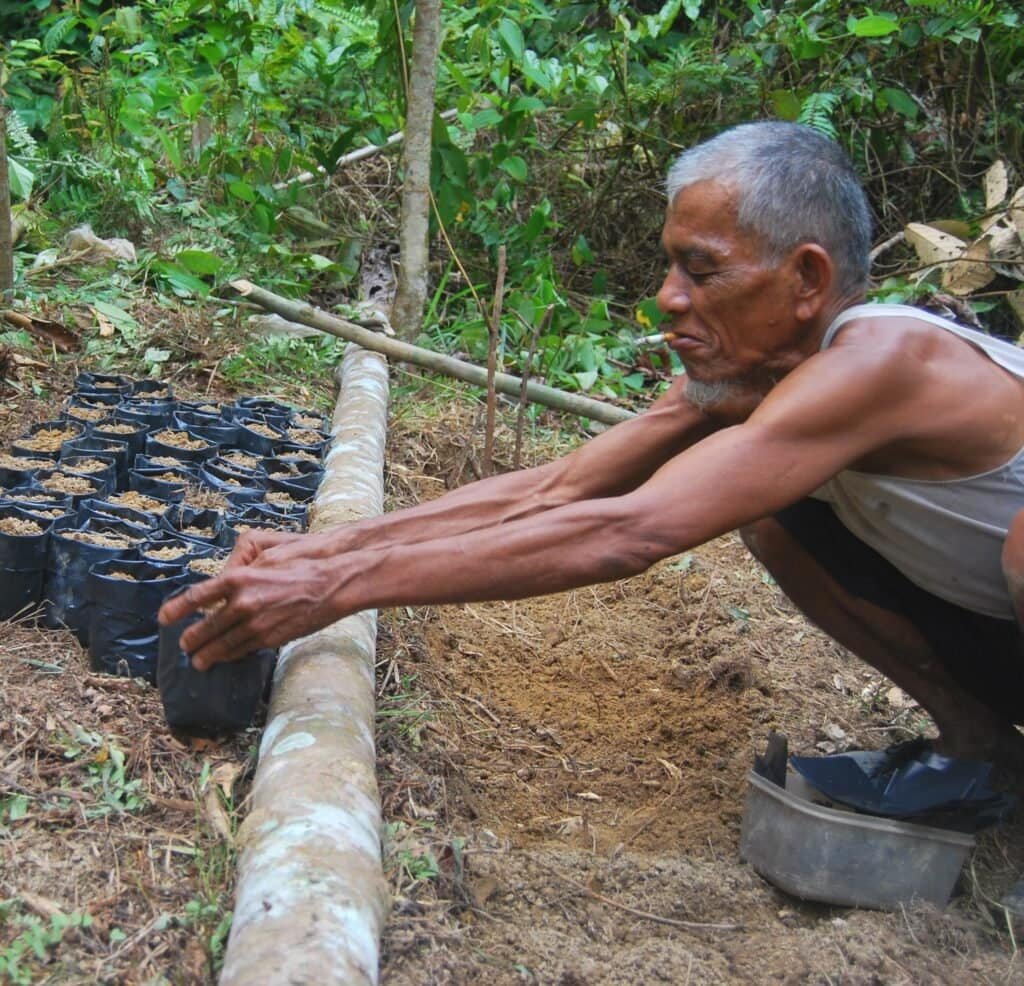
Communities in Riau face overlapping pressures, land-use change, livelihood risks, and limited access to decision-making spaces. This project uses participatory photovoice to elevate local perspectives and field evidence, strengthening programme design and stakeholder dialogue

Objectives

  • Enable community members to document environmental priorities and livelihood challenges through photovoice
  • Strengthen local evidence for inclusive land-use governance, including safeguards and grievance pathways
  • Generate practical learning products to improve programme delivery and partner coordination
  • Support dialogue with relevant stakeholders using community-led narratives and visual evidence

Approach and Safeguards

Delivery follows FPIC-informed engagement, conflict-sensitive facilitation, and continuous learning. The team applies basic safeguarding measures, ensures informed participation, and uses feedback loops to refine activities. Sensitive information and identifiable images are screened before publication

Key Activities

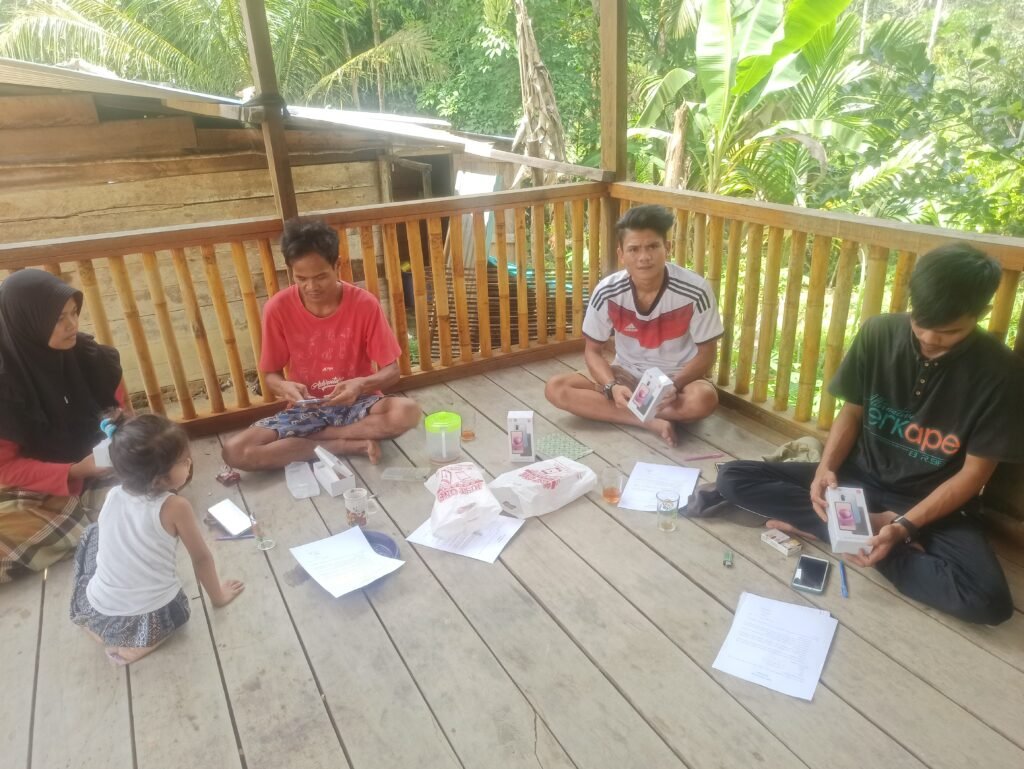
  • Community orientation and FPIC-informed consent process
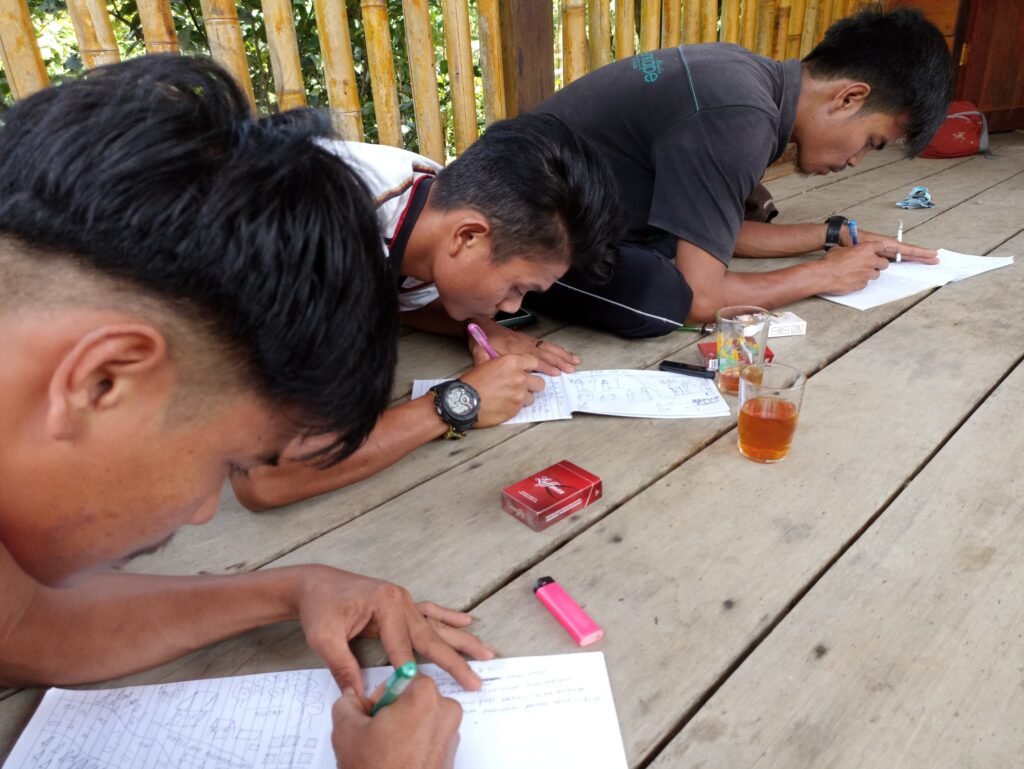
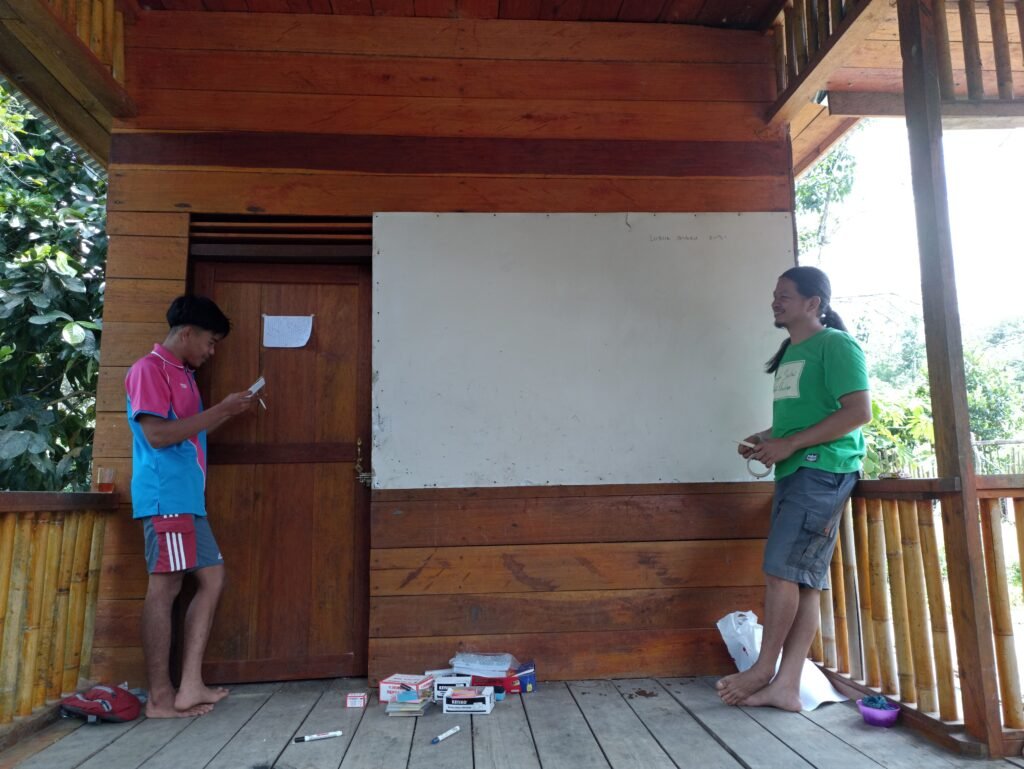
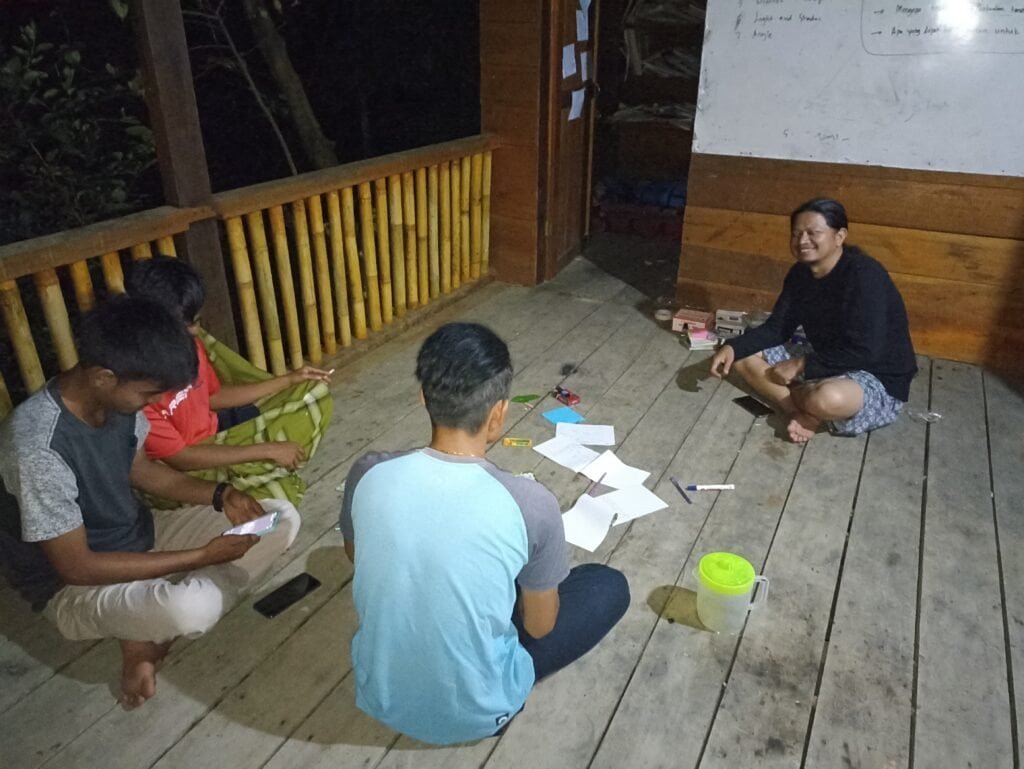
  • Photovoice training, ethics, and story selection workshops
  • Field documentation, facilitation support, and story curation
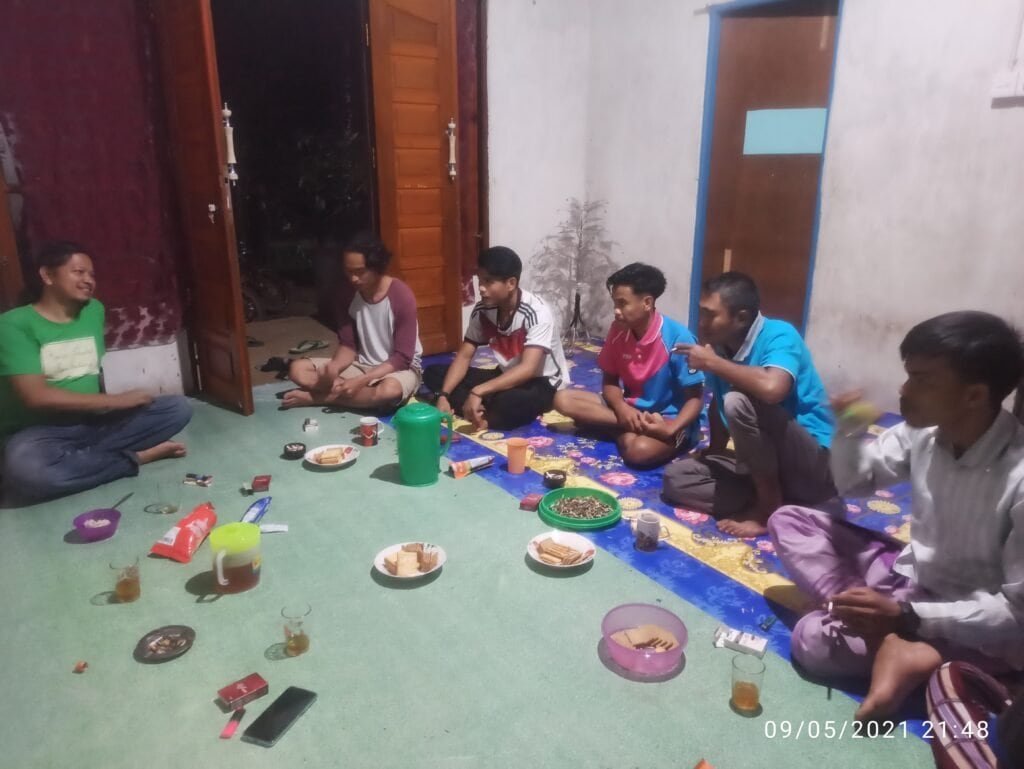
  • Joint reflection sessions to identify themes, risks, and opportunities
  • Production of learning briefs and partner sharing sessions

Outputs

  • A curated set of photovoice stories with community approval
  • Learning brief(s) summarising themes, risks, and programme implications
  • Stakeholder discussion sessions supported by evidence materials
  • An internal lessons log to improve delivery and safeguards

Results and Learning

Early learning shows that visual storytelling improves participation and reduces barriers for community members to communicate priorities. The approach also strengthens programme design by surfacing practical constraints and safeguards considerations.

Documentation references are available upon request
Project Media

Public Evidence

Partner with Hutanriau

We collaborate with donors and partners to deliver community-led conservation, with safeguards and evidence-based learning

More Projects